


Anemia is a widespread health condition characterized by a deficiency of healthy red blood cells or hemoglobin in the blood. This can lead to a variety of symptoms, including fatigue, weakness, shortness of breath, and dizziness. While dietary and lifestyle changes are often the first line of defense against anemia, dietary supplements can also play a crucial role in managing and preventing this condition. As a dietary supplement supplier, I am often asked about the best supplements for anemia. In this blog post, I will explore some of the most effective dietary supplements for anemia and how they work.
Iron Supplements
Iron is an essential mineral for the production of hemoglobin, the protein in red blood cells that carries oxygen throughout the body. Iron deficiency is the most common cause of anemia, especially among women, children, and vegetarians. Iron supplements are often recommended to treat iron deficiency anemia.
There are two types of iron in supplements: heme iron and non - heme iron. Heme iron is derived from animal sources and is more easily absorbed by the body. Non - heme iron comes from plant sources and is less readily absorbed. Ferrous sulfate, ferrous gluconate, and ferrous fumarate are common forms of non - heme iron supplements.
When taking iron supplements, it is important to take them on an empty stomach with water to enhance absorption. However, some people may experience side effects such as nausea, constipation, or diarrhea. To minimize these side effects, it can be taken with food, although this may slightly reduce absorption.
Vitamin B12 Supplements
Vitamin B12 is another crucial nutrient for red blood cell production. It plays a vital role in DNA synthesis and the proper functioning of the nervous system. A deficiency in vitamin B12 can lead to megaloblastic anemia, a type of anemia where the red blood cells are larger than normal and do not function properly.
Vitamin B12 is mainly found in animal products such as meat, fish, eggs, and dairy. Vegetarians and vegans are at a higher risk of vitamin B12 deficiency. Vitamin B12 supplements can be in the form of tablets, capsules, or sublingual (under - the - tongue) formulations. Sublingual supplements are often preferred as they are absorbed directly into the bloodstream, bypassing the digestive system.
Folate (Folic Acid) Supplements
Folate, also known as vitamin B9, is essential for cell division and the production of DNA. Similar to vitamin B12, a deficiency in folate can lead to megaloblastic anemia. Folate is found in leafy green vegetables, fruits, beans, and fortified cereals.
Folic acid is the synthetic form of folate used in supplements and fortified foods. It is more stable and better absorbed than natural folate. Pregnant women are often advised to take folic acid supplements to prevent neural tube defects in the developing fetus, but it also plays a significant role in preventing anemia.
Vitamin C Supplements
Vitamin C is not directly involved in red blood cell production, but it plays an important role in enhancing iron absorption. It converts iron from its non - absorbable form to a more absorbable form in the gut. Consuming vitamin C - rich foods or taking vitamin C supplements along with iron supplements can significantly increase the amount of iron absorbed by the body.
Citrus fruits, strawberries, kiwi, bell peppers, and broccoli are all good sources of vitamin C. Vitamin C supplements are available in various forms, including tablets, capsules, and chewable tablets.


Copper Supplements
Copper is a trace mineral that is necessary for the proper utilization of iron in the body. It helps in the formation of hemoglobin and the development of red blood cells. A copper deficiency can lead to a type of anemia similar to iron deficiency anemia.
Copper is found in foods such as shellfish, nuts, seeds, whole grains, and organ meats. However, in some cases, copper supplements may be necessary. It is important to note that excessive copper intake can be toxic, so it should be taken in appropriate amounts, usually under the guidance of a healthcare provider.
Other Dietary Supplements
In addition to the above - mentioned supplements, there are some other dietary supplements that may have a positive impact on anemia:
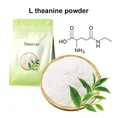
Pure L Theanine Powder
Pure L Theanine Powder is an amino acid commonly found in tea leaves. While it is not directly related to red blood cell production, it can help reduce stress and improve sleep quality. Stress and poor sleep can exacerbate the symptoms of anemia, so taking L - theanine may indirectly benefit those with anemia by improving overall well - being.
Pyrroloquinoline Quinone Powder
Pyrroloquinoline Quinone Powder (PQQ) is a compound that has antioxidant and mitochondrial - enhancing properties. Mitochondria are the powerhouses of the cells, and proper mitochondrial function is essential for energy production. Since anemia often causes fatigue and low energy levels, PQQ may help improve the energy status of individuals with anemia.
Chondroitin Sulfate Powder
Chondroitin Sulfate Powder is commonly known for its role in joint health. However, it may also have a connection to anemia. Some studies suggest that it can help improve blood circulation and oxygen delivery, which can be beneficial for individuals with anemia.
Considerations When Taking Dietary Supplements for Anemia
- Medical Advice: Before starting any new dietary supplement, it is important to consult a healthcare provider. They can perform blood tests to determine the cause and severity of anemia and recommend appropriate supplements.
- Dosage: Taking the correct dosage is crucial. Over - supplementation can lead to adverse effects. For example, excessive iron intake can cause iron overload, which can damage the liver, heart, and other organs.
- Interactions: Some supplements may interact with medications. For example, iron supplements can reduce the absorption of certain antibiotics. It is important to inform your healthcare provider about all the medications and supplements you are taking.
Conclusion
Dietary supplements can be an effective way to manage and prevent anemia, especially when used in conjunction with a balanced diet. Iron, vitamin B12, folate, vitamin C, and copper are some of the key supplements for anemia. Additionally, supplements like Pure L Theanine Powder, Pyrroloquinoline Quinone Powder, and Chondroitin Sulfate Powder may also offer additional benefits.
If you are interested in purchasing high - quality dietary supplements for anemia or have any questions about our products, please feel free to reach out to us. We are committed to providing you with the best supplements to support your health.
References
- National Institutes of Health Office of Dietary Supplements. Iron. Available at https://ods.od.nih.gov/factsheets/Iron - HealthProfessional/.
- National Institutes of Health Office of Dietary Supplements. Vitamin B12. Available at https://ods.od.nih.gov/factsheets/VitaminB12 - HealthProfessional/.
- National Institutes of Health Office of Dietary Supplements. Folate. Available at https://ods.od.nih.gov/factsheets/Folate - HealthProfessional/.
- National Institutes of Health Office of Dietary Supplements. Vitamin C. Available at https://ods.od.nih.gov/factsheets/VitaminC - HealthProfessional/.
- National Institutes of Health Office of Dietary Supplements. Copper. Available at https://ods.od.nih.gov/factsheets/Copper - HealthProfessional/.