


As a color ingredients supplier, I've always been intrigued by the diverse regulatory landscapes across different countries. The regulations on color ingredients play a crucial role in ensuring the safety, quality, and proper use of these substances in various industries, such as food, cosmetics, and pharmaceuticals. In this blog, I'll delve into the regulations on color ingredients in different countries and how they impact our business.
Regulatory Frameworks in the United States
In the United States, the Food and Drug Administration (FDA) is the primary regulatory body responsible for overseeing color ingredients used in food, drugs, and cosmetics. The FDA classifies color additives into two main categories: certified and exempt from certification.
Certified color additives are synthetic dyes and pigments that must undergo a rigorous pre - market approval process. The FDA evaluates the safety of these color additives through extensive toxicological studies, considering factors like acute and chronic toxicity, carcinogenicity, and allergenicity. Examples of certified color additives include FD&C Blue No. 1, FD&C Red No. 40, etc. These colors are assigned specific usage levels and restrictions to ensure consumer safety.
On the other hand, color additives that are exempt from certification are generally natural substances. For instance, substances like annatto extract, beet powder, and turmeric are often used as natural colorants and are exempt from the pre - market certification process. However, they still need to comply with certain safety and labeling requirements. The FDA also prohibits the use of certain color additives in specific products. For example, some colors are not allowed in products intended for infants and young children due to potential health risks.

Regulations in the European Union
The European Union (EU) has a comprehensive regulatory system for colorants in food, cosmetics, and pharmaceuticals. The EU's approach is based on a positive list system, where only colorants included on the approved list can be used.
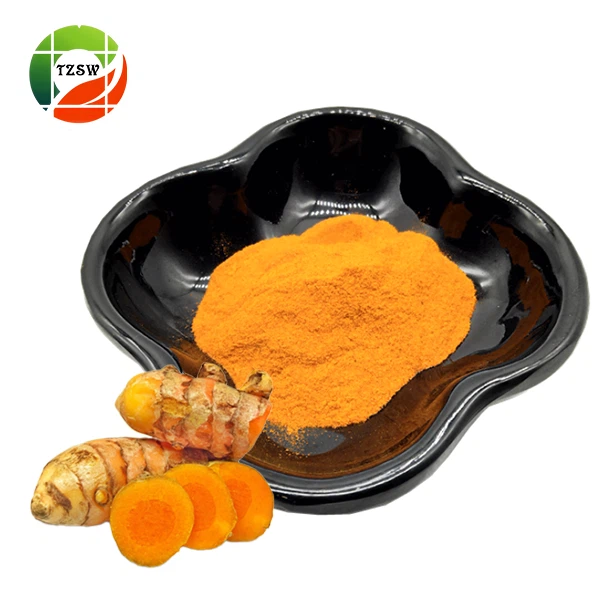
In the food sector, the EU's list of authorized food additives is regulated by Regulation (EC) No 1333/2008. This regulation sets out the conditions for the use of colorants, including maximum permitted levels, specifications, and labeling requirements. For example, curcumin, a natural colorant derived from turmeric, is permitted for use in food products, and its use is regulated to ensure consistent quality and safety. You can find more information about Best Curcumin Powder on our website.
In the cosmetics industry, the EU's Cosmetics Regulation (EC) No 1223/2009 regulates the use of colorants. Similar to the food regulations, it has a list of authorized colorants, and manufacturers must comply with strict safety and quality standards. The EU also conducts regular safety assessments of colorants to keep the list up - to - date and ensure consumer protection.
Regulatory Scenarios in Asia
In Asia, different countries have their own unique regulatory approaches to color ingredients.
In Japan, the Ministry of Health, Labour and Welfare (MHLW) is responsible for regulating colorants in food and cosmetics. Japan has a positive list system for food additives, including colorants. The MHLW evaluates the safety of colorants based on scientific data and sets maximum usage levels. For example, Gardenia Green Pigment, a natural colorant, is regulated according to specific standards in Japan to ensure its safety and quality.
China also has a well - established regulatory system for color additives. The National Health Commission and the State Administration for Market Regulation play key roles in regulating colorants in food, cosmetics, and other industries. China has a list of approved colorants, and their use is strictly monitored. The regulations cover aspects such as production, quality control, and labeling.
Regulatory Challenges and Opportunities for a Color Ingredients Supplier
As a color ingredients supplier, these diverse regulations present both challenges and opportunities.
The main challenge is the complexity of complying with different regulatory requirements in multiple countries. Each country has its own set of rules, and keeping up with the latest changes can be time - consuming and costly. For example, a color ingredient that is approved in one country may not be allowed in another, or the permitted usage levels may vary significantly. This requires us to invest in research and development to ensure that our products meet the specific requirements of different markets.
However, these regulations also create opportunities. The growing demand for natural and safe color ingredients is driven by consumer preferences and regulatory trends. As consumers become more health - conscious, there is an increasing demand for natural colorants such as Best Coenzyme Q10, which is not only a colorant but also has potential health benefits. By developing and supplying high - quality natural color ingredients that comply with international regulations, we can tap into new markets and meet the evolving needs of our customers.
Impact on Our Business as a Supplier
Our business as a color ingredients supplier is significantly influenced by these regulations. We need to have a deep understanding of the regulatory requirements in each target market. This involves conducting in - depth research, collaborating with regulatory experts, and staying updated on the latest regulatory changes.
We also need to ensure that our manufacturing processes meet the highest quality and safety standards. This includes sourcing raw materials from reliable suppliers, implementing strict quality control measures, and conducting regular testing of our products. For example, when producing natural colorants, we need to ensure that the extraction and purification processes are optimized to meet the regulatory specifications of different countries.
In addition, we play an important role in educating our customers about the regulatory requirements. We provide technical support and guidance to help them use our color ingredients in a compliant manner. This includes providing information on proper usage levels, labeling requirements, and any restrictions associated with our products.
Looking Ahead
The regulatory environment for color ingredients is constantly evolving. With the advancement of science and technology, new color ingredients are being developed, and regulatory bodies are continuously updating their safety assessments and requirements.
As a supplier, we need to be proactive in adapting to these changes. We will continue to invest in research and development to develop innovative and sustainable color ingredients that meet the highest safety and quality standards. We also plan to expand our market reach by ensuring that our products comply with the regulations of emerging markets.
If you are interested in our color ingredients and would like to discuss potential business opportunities, we invite you to reach out to us. We are committed to providing high - quality color ingredients that meet your specific needs and comply with international regulations. Whether you are a food manufacturer, a cosmetics producer, or a pharmaceutical company, we have the expertise and products to support your business.
In conclusion, the regulations on color ingredients in different countries are complex but essential for ensuring consumer safety and product quality. By navigating these regulations effectively, we can not only safeguard our business but also contribute to the development of a safe and sustainable color ingredients market.
References
- U.S. Food and Drug Administration. (n.d.). Color Additives. Retrieved from [FDA official website].
- European Union. (n.d.). Regulation (EC) No 1333/2008 on food additives.
- European Union. (n.d.). Cosmetics Regulation (EC) No 1223/2009.
- Ministry of Health, Labour and Welfare, Japan. (n.d.). Regulations on food additives.
- National Health Commission of China. (n.d.). Regulations on color additives in China.