


When it comes to skincare, the pursuit of products that can effectively address various concerns such as hyperpigmentation, aging, and uneven skin tone is a never - ending journey. Two popular ingredients that have gained significant attention in the beauty industry are Alpha - Arbutin Powder and retinol. As a supplier of Alpha - Arbutin Powder, I often receive questions from customers about whether these two powerful ingredients can be used together. In this blog post, I will explore the compatibility of Alpha - Arbutin Powder and retinol, delving into their individual benefits, potential interactions, and best practices for incorporating them into your skincare routine.
Understanding Alpha - Arbutin Powder
Alpha - Arbutin is a derivative of hydroquinone, but it is much safer and more stable. It works by inhibiting the activity of tyrosinase, an enzyme that plays a crucial role in the production of melanin. By reducing melanin synthesis, Alpha - Arbutin can effectively lighten dark spots, hyperpigmentation, and even out skin tone. This makes it a highly sought - after ingredient in many skincare products, especially those targeting pigmentation issues.
One of the key advantages of Alpha - Arbutin is its high efficacy at relatively low concentrations. It is also well - tolerated by most skin types, including sensitive skin, as it is less likely to cause irritation compared to some other skin - lightening agents. Additionally, Alpha - Arbutin has antioxidant properties, which can help protect the skin from free radical damage and premature aging.
The Power of Retinol
Retinol, a form of vitamin A, is a well - known and widely used ingredient in anti - aging skincare. It works by increasing cell turnover, promoting the production of collagen and elastin, and improving the overall texture and appearance of the skin. Retinol can reduce the appearance of fine lines and wrinkles, smooth rough skin, and enhance skin firmness.

However, retinol is not without its challenges. It can be quite irritating, especially for those with sensitive skin. Common side effects of retinol use include redness, dryness, peeling, and increased sensitivity to the sun. Therefore, it is important to introduce retinol gradually into your skincare routine and always use sunscreen during the day when using retinol products.
Can Alpha - Arbutin Powder be Used with Retinol?
The short answer is yes, Alpha - Arbutin Powder can generally be used with retinol. These two ingredients have complementary effects on the skin. Alpha - Arbutin focuses on skin lightening and pigmentation correction, while retinol targets anti - aging and skin texture improvement. When used together, they can potentially provide a more comprehensive skincare solution.
However, there are some important considerations to keep in mind. As both Alpha - Arbutin and retinol can have an impact on the skin's barrier function, using them together may increase the risk of irritation, especially for those with sensitive skin. To minimize this risk, it is recommended to start with a low concentration of each ingredient and gradually increase the frequency and strength of use as your skin adjusts.
Best Practices for Using Alpha - Arbutin and Retinol Together
- Patch Test: Before incorporating both ingredients into your full - face skincare routine, perform a patch test on a small area of skin, such as behind the ear or on the inner wrist. Leave the products on for 24 - 48 hours and check for any signs of irritation, such as redness, itching, or swelling.
- Introduce Gradually: Start by using Alpha - Arbutin and retinol on alternate nights. This allows your skin to get used to each ingredient separately before using them together more frequently.
- Layering: When using both ingredients, it is important to layer them correctly. Apply the Alpha - Arbutin product first, as it is a water - soluble ingredient. Wait for it to fully absorb into the skin before applying the retinol product, which is typically oil - based.
- Sun Protection: Since both Alpha - Arbutin and retinol can increase the skin's sensitivity to the sun, it is crucial to use a broad - spectrum sunscreen with an SPF of at least 30 during the day. This will help protect your skin from UV damage and prevent further pigmentation issues.
Other Complementary Ingredients
In addition to using Alpha - Arbutin and retinol together, you can also consider incorporating other complementary ingredients into your skincare routine. For example, Kojic Acid Dipalmitate Powder is another effective skin - lightening agent that can work well with Alpha - Arbutin. It can further enhance the skin - lightening effects and provide a more comprehensive solution for pigmentation problems.
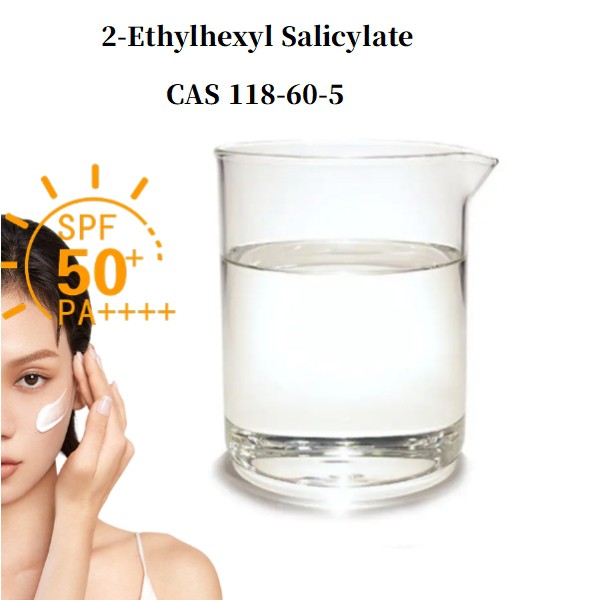
2 - Ethylhexyl Salicylate is a common sunscreen ingredient that can be used to protect the skin from the sun's harmful UV rays, especially when using retinol and Alpha - Arbutin, which can increase sun sensitivity.
Palmitoyl Oligopeptide is a peptide that can stimulate collagen production and improve skin firmness. It can complement the anti - aging effects of retinol and provide additional benefits for the skin.
Conclusion
In conclusion, Alpha - Arbutin Powder and retinol can be used together to achieve a more comprehensive skincare result. While they have different functions, their combined use can address both pigmentation and anti - aging concerns. However, it is important to use them with caution, especially if you have sensitive skin. By following the best practices outlined above, you can minimize the risk of irritation and maximize the benefits of these two powerful ingredients.
If you are interested in purchasing high - quality Alpha - Arbutin Powder for your skincare formulations, please feel free to contact us. We are committed to providing the best products and services to meet your needs.
References
- Draelos, Z. D. (2009). Cosmeceuticals and active ingredients: a clinical guide. Elsevier Health Sciences.
- Bissett, D. L., Hall, J. C., & Serup, J. (2002). Topical retinol improves photoaged skin as measured by blind evaluators. Dermatologic surgery, 28(12), 1031 - 1038.
- Hori, Y., & Ichiishi, E. (2002). Inhibitory effect of arbutin on melanogenesis in human melanocytes. Pigment cell research, 15(2), 101 - 105.