


In the ever - evolving world of cosmetics and nutraceuticals, the pursuit of powerful antioxidants is a constant. Antioxidants play a crucial role in protecting our cells from oxidative stress, which is linked to aging, inflammation, and various diseases. Among the many antioxidants available, ferulic acid powder has emerged as a star ingredient. As a ferulic acid powder supplier, I am often asked about its potential to enhance the antioxidant effects of other substances. In this blog, we will explore this question in depth.
Understanding Ferulic Acid
Ferulic acid is a phenolic compound that is widely found in plant cell walls, especially in grains such as rice, wheat, and oats. It has strong antioxidant properties due to its ability to scavenge free radicals, such as superoxide anions, hydroxyl radicals, and peroxyl radicals. Free radicals are unstable molecules that can damage cells, proteins, and DNA, leading to a variety of health problems.

The antioxidant mechanism of ferulic acid is multi - faceted. It can donate a hydrogen atom to free radicals, thereby neutralizing them. Additionally, ferulic acid can chelate metal ions, such as iron and copper, which are involved in the generation of free radicals through the Fenton reaction. By chelating these metal ions, ferulic acid can prevent the formation of highly reactive hydroxyl radicals.
Synergistic Effects with Other Antioxidants
Vitamin C (Ascorbic Acid)
One of the most well - known combinations is ferulic acid with vitamin C. Vitamin C is a water - soluble antioxidant that is essential for collagen synthesis, immune function, and skin health. However, vitamin C is relatively unstable and can be easily oxidized when exposed to air, light, and heat.
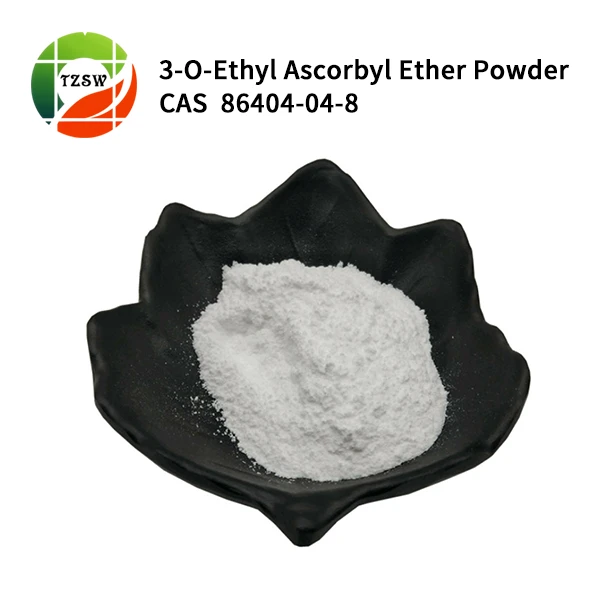
Ferulic acid can enhance the stability and antioxidant activity of vitamin C. Studies have shown that the combination of ferulic acid and vitamin C can provide greater protection against UV - induced damage to the skin compared to either ingredient alone. Ferulic acid helps to regenerate oxidized vitamin C, allowing it to continue scavenging free radicals. This synergistic effect is particularly beneficial in skincare products, as it can help to reduce the appearance of fine lines, wrinkles, and age spots, and improve overall skin texture. For example, 3 - O - Ethyl Ascorbyl Ether, a stable form of vitamin C, when combined with ferulic acid, can offer enhanced antioxidant protection for the skin.
Vitamin E (Tocopherol)
Vitamin E is a fat - soluble antioxidant that protects cell membranes from oxidative damage. It works by donating a hydrogen atom to lipid peroxyl radicals, preventing the propagation of lipid peroxidation. Similar to its interaction with vitamin C, ferulic acid can enhance the antioxidant activity of vitamin E.
When ferulic acid and vitamin E are used together, they can form a more effective antioxidant defense system. Ferulic acid can regenerate oxidized vitamin E, allowing it to resume its antioxidant function. This combination is often used in skincare products to protect the skin from environmental stressors, such as pollution and UV radiation, and to maintain skin elasticity and firmness.
Synergistic Effects in Nutraceuticals
With Polyphenols
Polyphenols are a large group of plant - derived compounds with antioxidant, anti - inflammatory, and anti - cancer properties. Ferulic acid can work synergistically with other polyphenols, such as resveratrol and quercetin.
Resveratrol is found in grapes, red wine, and berries. It has been shown to have anti - aging, cardioprotective, and anti - cancer effects. When combined with ferulic acid, the antioxidant activity of the two compounds can be enhanced. They can work together to scavenge free radicals and modulate cellular signaling pathways involved in oxidative stress and inflammation.
Quercetin is another flavonoid polyphenol that is abundant in fruits, vegetables, and tea. It has antioxidant, anti - allergic, and anti - inflammatory properties. The combination of ferulic acid and quercetin can provide greater protection against oxidative damage in cells, which may be beneficial for overall health and disease prevention.
In Cosmetics: Beyond Antioxidant Effects
Skin Brightening with Tranexamic Acid
In addition to its antioxidant properties, ferulic acid can also enhance the effects of other non - antioxidant ingredients in cosmetics. Tranexamic Acid Powder is a well - known skin - brightening agent that works by inhibiting the activity of plasmin, an enzyme involved in the production of melanin.
When ferulic acid is combined with tranexamic acid, it can enhance the skin - brightening effect. Ferulic acid's antioxidant properties can help to protect the skin from oxidative stress, which can otherwise stimulate melanin production. At the same time, it may also improve the penetration and efficacy of tranexamic acid in the skin, leading to more effective reduction of hyperpigmentation and a more even skin tone.
Sun Protection with Ethylhexyl Triazone
Ethylhexyl Triazone For Skin is a widely used chemical sunscreen agent that provides protection against UVB radiation. Ferulic acid can enhance the sun - protective effects of ethylhexyl triazone.
By scavenging free radicals generated by UV radiation, ferulic acid can reduce the damage caused by UV exposure, such as sunburn, skin aging, and skin cancer. It can also work in conjunction with ethylhexyl triazone to provide a more comprehensive protection against the harmful effects of the sun.
Scientific Evidence
Numerous scientific studies have provided evidence for the synergistic antioxidant effects of ferulic acid with other substances. In vitro studies using cell cultures have shown that the combination of ferulic acid and vitamin C can significantly increase the intracellular antioxidant capacity and reduce oxidative stress markers.
Animal studies have also demonstrated the beneficial effects of ferulic acid combinations. For example, in mouse models of UV - induced skin damage, the application of a formulation containing ferulic acid, vitamin C, and vitamin E was found to reduce inflammation, collagen degradation, and DNA damage in the skin.
Clinical trials in humans have further confirmed the efficacy of these combinations. A study on the use of a skincare product containing ferulic acid and vitamin C showed significant improvement in skin texture, reduction of fine lines, and increased skin brightness after several weeks of use.
Conclusion
In conclusion, ferulic acid powder has the remarkable ability to enhance the antioxidant effects of other substances. Whether it is in combination with vitamins C and E in skincare products, or with other polyphenols in nutraceuticals, ferulic acid can form powerful synergistic relationships. Moreover, it can also enhance the effects of non - antioxidant ingredients in cosmetics, such as skin - brightening agents and sunscreens.
As a ferulic acid powder supplier, I am excited about the potential of this ingredient in the cosmetics and nutraceutical industries. If you are interested in exploring the benefits of ferulic acid powder for your products, or if you have any questions about its applications and combinations, I encourage you to contact me for further discussion and potential procurement. Together, we can create innovative and effective products that harness the power of ferulic acid and its synergistic effects.
References
- Packer, L., Witt, E. H., & Tritschler, H. J. (1995). Alpha - lipoic acid as a biological antioxidant. Free Radical Biology & Medicine, 19(2), 227 - 250.
- Lin, J. Y., Selim, M. A., Shea, C. R., et al. (2003). The combination of vitamin C and vitamin E provides protection against ultraviolet - induced photodamage in human skin. Journal of the American Academy of Dermatology, 48(2), 237 - 244.
- Rice - Evans, C. A., Miller, N. J., & Paganga, G. (1996). Structure - antioxidant activity relationships of flavonoids and phenolic acids. Free Radical Biology & Medicine, 20(7), 933 - 956.