


As a seasoned supplier of color ingredients, I've witnessed firsthand the intricate relationship between the colorants we provide and the products they enhance. In this blog, I'll delve into the science behind how color ingredients in glass bottles can impact the contents within, exploring various aspects such as light protection, chemical stability, and consumer perception.
Light Protection
One of the primary functions of colored glass bottles is to protect the contents from harmful light. Different wavelengths of light, especially ultraviolet (UV) and visible light, can trigger chemical reactions in many products, leading to degradation, oxidation, and loss of efficacy. For instance, in the food and beverage industry, exposure to light can cause the breakdown of vitamins, pigments, and flavors, resulting in a decrease in quality and shelf life.

Color ingredients play a crucial role in enhancing the light-blocking properties of glass bottles. By absorbing or reflecting specific wavelengths of light, these colorants can shield the contents from the damaging effects of light. For example, amber glass is commonly used for storing beer, wine, and certain pharmaceuticals because it effectively blocks UV light, which can cause the formation of off-flavors and the degradation of active ingredients. Similarly, green glass is often used for olive oil and some herbal extracts as it provides moderate protection against light.
In our product range, we offer a variety of color ingredients that can be used to tint glass bottles for optimal light protection. Sodium Copper Chlorophyllin Powder is a natural green colorant that not only provides an attractive appearance but also has some light-absorbing properties. It can be used to create green-tinted glass bottles for products that require protection from visible light. Monascus Color, on the other hand, is a red colorant derived from natural sources. It can be used to produce red or amber-tinted glass bottles, which are effective in blocking UV and visible light.
Chemical Stability
Color ingredients can also influence the chemical stability of the contents inside glass bottles. Some colorants may react with the product components or the glass surface, leading to changes in the chemical composition and properties of the contents. For example, certain metal-based colorants may leach into the product over time, affecting its taste, odor, or safety.
To ensure the chemical stability of the contents, it is essential to choose color ingredients that are compatible with the product and the glass material. Our team of experts conducts extensive research and testing to select colorants that are safe and stable for use in glass packaging. We also provide technical support to our customers to help them choose the most suitable color ingredients for their specific products.
In addition to compatibility, the concentration of color ingredients in the glass can also affect the chemical stability of the contents. High concentrations of colorants may increase the risk of leaching and other chemical reactions. Therefore, it is important to follow the recommended usage levels and guidelines when using color ingredients in glass bottles.
Consumer Perception
The color of glass bottles can have a significant impact on consumer perception and purchasing decisions. Different colors evoke different emotions and associations, which can influence how consumers perceive the quality, freshness, and safety of the product. For example, clear glass bottles are often associated with purity and transparency, while colored glass bottles can convey a sense of luxury, exclusivity, or naturalness.
As a color ingredients supplier, we understand the importance of color in consumer marketing. We offer a wide range of color options to help our customers create packaging that stands out on the shelves and appeals to their target consumers. Whether it's a bright and vibrant color for a trendy beverage or a subtle and elegant color for a premium skincare product, we can provide the right color ingredients to meet the specific needs of our customers.
In addition to the color itself, the quality and consistency of the color are also crucial for consumer perception. Our state-of-the-art manufacturing facilities and strict quality control processes ensure that our color ingredients are of the highest quality and provide consistent coloration. This helps our customers maintain a consistent brand image and build trust with their consumers.
Impact on Different Types of Products
The impact of color ingredients in glass bottles can vary depending on the type of product being packaged. Here are some examples of how color can affect different types of products:
Food and Beverages
In the food and beverage industry, color plays a vital role in enhancing the visual appeal of products and influencing consumer acceptance. For example, a brightly colored fruit juice in a clear glass bottle can attract consumers' attention and make the product more appealing. On the other hand, a dark-colored beer in an amber glass bottle can convey a sense of richness and complexity.
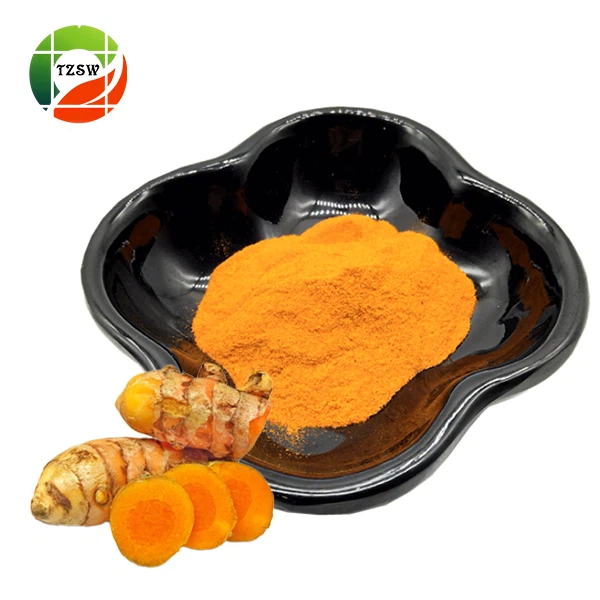
Color ingredients can also be used to mask any natural discoloration or off-colors in food and beverages. For example, Best Curcumin Powder can be used to add a natural yellow color to food products, such as soups, sauces, and snacks. It not only enhances the visual appeal of the product but also provides some health benefits.
Pharmaceuticals and Cosmetics
In the pharmaceutical and cosmetic industries, color is often used to differentiate products and provide important information to consumers. For example, different colored capsules or tablets may indicate different dosages or formulations. In cosmetics, color can be used to create a specific look or effect, such as a natural-looking blush or a bold and vibrant lipstick.
Color ingredients in glass bottles can also protect the active ingredients in pharmaceuticals and cosmetics from light and other environmental factors. This helps to maintain the efficacy and stability of the products over time.
Chemicals and Industrial Products
In the chemicals and industrial products industry, color can be used to indicate the type, grade, or hazard level of the product. For example, different colored labels or markings on glass bottles can help workers identify and handle chemicals safely.
Color ingredients can also be used to enhance the corrosion resistance and durability of glass bottles in industrial applications. By adding certain colorants to the glass, it can improve the chemical and physical properties of the bottle, making it more suitable for storing and transporting chemicals.
Conclusion
In conclusion, color ingredients in glass bottles can have a significant impact on the contents inside, including light protection, chemical stability, and consumer perception. As a color ingredients supplier, we are committed to providing high-quality colorants that are safe, stable, and effective for use in glass packaging. Whether you're a food and beverage manufacturer, a pharmaceutical company, or a cosmetics brand, we can help you choose the most suitable color ingredients for your products and create packaging that meets your specific needs.
If you're interested in learning more about our color ingredients or have any questions about using color in glass bottles, please don't hesitate to contact us. Our team of experts is ready to assist you with your color requirements and help you take your product packaging to the next level.
References
- "Light and Food Quality: A Review" by J. F. Ayala-Zavala, et al.
- "Colorants in Food: Regulatory and Safety Aspects" by P. S. Patil, et al.
- "The Impact of Packaging Color on Consumer Perception and Purchase Intent" by L. M. A. Hagtvedt and J. Patrick Haugtvedt.