


Nail art has become a popular form of self - expression in recent years, and nail art gels are at the forefront of this trend. These gels offer a long - lasting, high - shine finish that regular nail polish can't quite match. Color ingredients play a crucial role in creating the diverse range of beautiful hues seen in nail art gels. But how do these color ingredients cure? As a leading color ingredients supplier, I'm here to delve into the science behind the curing process of color ingredients in nail art gels.
Understanding Nail Art Gels and Color Ingredients
Nail art gels are essentially a type of polymer. They are made up of monomers, which are small molecules that can link together to form long chains called polymers. Color ingredients are added to these gels to give them their vibrant and unique colors. These ingredients can be either pigments or dyes.
Pigments are insoluble particles that are dispersed throughout the gel. They provide color by reflecting and absorbing light. For example, Gardenia Blue Pigment is a natural pigment that can be used to create beautiful blue shades in nail art gels. Pigments are known for their excellent lightfastness and stability, which means they can maintain their color over time.
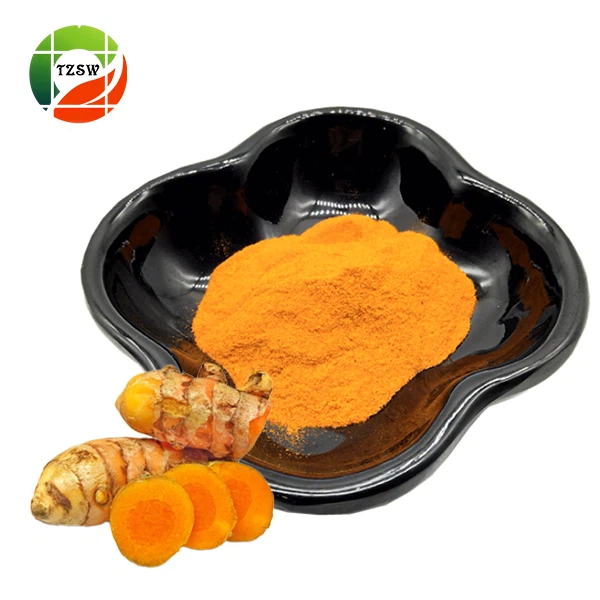
Dyes, on the other hand, are soluble in the gel medium. They dissolve and impart color by interacting with the light passing through the gel. Best Curcumin Powder is a natural dye that can be used to create warm, yellow - orange tones in nail art gels. Dyes often offer more intense colors but may be less stable compared to pigments.
The Curing Process of Nail Art Gels
The curing of nail art gels is a chemical process that involves the conversion of the liquid gel into a solid, durable coating. There are two main methods of curing nail art gels: UV curing and LED curing.
UV Curing
UV curing has been around for a long time and is still widely used in the nail art industry. In this process, the nail art gel contains a photoinitiator. A photoinitiator is a chemical compound that, when exposed to ultraviolet (UV) light, breaks down into free radicals. These free radicals then react with the monomers in the gel, causing them to link together and form polymers.
When color ingredients are present in the gel, they need to be compatible with the photoinitiator and the curing process. Pigments, being insoluble, are generally well - behaved during UV curing. They do not interfere with the formation of free radicals or the polymerization process. However, some dyes may absorb UV light in a way that can affect the efficiency of the photoinitiator. This is why careful selection of color ingredients is necessary for UV - cured nail art gels.
The UV light used in the curing process typically has a wavelength in the range of 320 - 400 nanometers. The nail is placed under a UV lamp for a specific period, usually around 2 - 5 minutes, depending on the thickness of the gel and the type of gel used. During this time, the color ingredients become trapped within the polymer matrix, giving the nail its color.
LED Curing
LED curing has gained popularity in recent years due to its faster curing times and lower heat output compared to UV curing. LED lamps emit light at a specific wavelength, usually around 365 - 405 nanometers. Similar to UV curing, the nail art gel contains a photoinitiator that is activated by the LED light.
The advantage of LED curing for color ingredients is that it is generally less harsh on dyes. Since the LED light has a more focused wavelength, there is less risk of the dye being degraded by the light. Sodium Copper Chlorophyllin Powder, for example, can be used more effectively in LED - cured nail art gels as it is less likely to lose its color during the curing process.
The curing time for LED - cured gels is much shorter, often around 30 - 60 seconds. This makes it a more convenient option for both nail technicians and clients. The color ingredients are quickly incorporated into the polymer network as the gel cures, resulting in a beautiful, long - lasting nail color.

Factors Affecting the Curing of Color Ingredients
Several factors can affect how color ingredients cure in nail art gels.
Concentration of Color Ingredients
The concentration of color ingredients in the gel can impact the curing process. If the concentration is too high, it may interfere with the penetration of light into the gel. This can lead to incomplete curing, especially in the deeper layers of the gel. On the other hand, if the concentration is too low, the color may not be intense enough. As a color ingredients supplier, we work closely with nail gel manufacturers to determine the optimal concentration for each color ingredient.
Compatibility with Gel Formulation
The color ingredients need to be compatible with the other components of the nail art gel, such as the monomers, oligomers, and additives. Incompatible color ingredients can cause issues such as phase separation, where the color ingredient separates from the gel matrix, or poor adhesion of the gel to the nail. We conduct extensive compatibility tests on our color ingredients to ensure they work well with different gel formulations.
Thickness of the Gel Layer
The thickness of the gel layer also affects the curing of color ingredients. A thicker layer of gel may require a longer curing time to ensure that the color ingredients are properly incorporated into the polymer network throughout the entire layer. If the layer is too thick, the light may not be able to penetrate all the way through, resulting in an unevenly cured nail with inconsistent color.
Ensuring Quality and Safety of Color Ingredients
As a color ingredients supplier, we are committed to providing high - quality and safe products. All our color ingredients, including Gardenia Blue Pigment, Best Curcumin Powder, and Sodium Copper Chlorophyllin Powder, are sourced from reliable suppliers and undergo strict quality control measures.
We test our color ingredients for purity, stability, and compatibility with nail art gel formulations. We also ensure that they comply with all relevant safety regulations. This is important not only for the quality of the nail art gels but also for the safety of the end - users.
Conclusion
The curing of color ingredients in nail art gels is a complex but fascinating process. Whether using UV or LED curing, the key is to ensure that the color ingredients are compatible with the gel formulation and the curing method. As a color ingredients supplier, we play a vital role in providing high - quality color ingredients that can create beautiful, long - lasting nail colors.
If you are a nail gel manufacturer or a business in the nail art industry looking for top - quality color ingredients, we would love to hear from you. Our team of experts can provide you with detailed information about our products, help you select the right color ingredients for your formulations, and answer any questions you may have. Contact us today to start a discussion about your color ingredient needs and take your nail art gels to the next level.
References
- “Nail Polish and Gel Chemistry” by Chemical Heritage Foundation
- “Photoinitiators for UV and LED Curing” in Journal of Coatings Technology and Research
- “Colorants in Cosmetics: Pigments and Dyes” by Cosmetics & Toiletries magazine