


Food additives have long been a hot topic, especially when it comes to how they impact the sensory properties of food. As a food additive supplier, I've seen firsthand the various ways these additives can transform the look, taste, smell, and texture of the foods we love. In this blog, I'll dive deep into the world of food additives and explore their effects on our sensory experience of food.
What Are Food Additives?
Before we get into the sensory stuff, let's quickly define what food additives are. Food additives are substances added to food to preserve flavor, enhance taste, improve appearance, or increase shelf - life. They can be natural or synthetic, and they're used in a wide range of food products, from snacks and beverages to processed meats and baked goods.
Impact on Taste
One of the most significant ways food additives affect food is by altering its taste. Flavor enhancers are a prime example. MSG (monosodium glutamate), for instance, is a well - known flavor enhancer that can make food taste more savory. It works by stimulating the taste buds, making the umami flavor more pronounced. Umami is often described as the fifth taste, along with sweet, sour, salty, and bitter.
Another type of taste - altering additive is artificial sweeteners. These are used in many low - calorie or sugar - free products. Aspartame and sucralose are popular artificial sweeteners that can provide a sweet taste without the high calorie content of sugar. They're much sweeter than sugar, so only a small amount is needed to achieve the desired level of sweetness.
On the other hand, some additives can mask unpleasant tastes. For example, in certain fortified foods, vitamins and minerals might have a bitter or metallic taste. To make these products more palatable, flavor - masking agents are used.
If you're looking for taste - enhancing additives, we offer Myo Inositol Bulk Powder. It can play a role in enhancing the overall taste profile of some food products, especially in combination with other ingredients.
Influence on Smell
The smell of food is closely related to its taste. Food additives can have a big impact on the aroma of food. Flavorings, whether natural or artificial, are used to create or enhance the smell of food. Natural flavorings are derived from natural sources like fruits, vegetables, and spices. For example, vanilla extract is a natural flavoring that gives a warm, sweet aroma to baked goods and desserts.
Artificial flavorings, on the other hand, are created in a laboratory to mimic natural flavors. They can be used to create unique or hard - to - find scents. For instance, artificial strawberry flavoring can give a strong, sweet strawberry smell to candies and beverages, even when real strawberries aren't used.

Preservatives can also affect the smell of food. Some preservatives prevent the growth of mold and bacteria, which can cause off - odors. By keeping the food fresh, they help maintain its original aroma.
Our Vitamin B12 Powder not only provides nutritional value but can also contribute to the overall sensory experience of food. In some cases, it can enhance the natural aroma of certain food products.
Effect on Appearance
Food additives can greatly change the appearance of food. Color additives are the most obvious example. They're used to make food look more appealing. Natural colorants like beet juice and turmeric can be used to add a natural red or yellow color to food. These natural colorants are often preferred by consumers who are looking for more "clean - label" products.
Artificial colorants, on the other hand, offer a wider range of colors and more consistent results. They're used in many candies, soft drinks, and processed foods to create bright, eye - catching colors. For example, FD&C Blue No. 1 is an artificial colorant that gives a vivid blue color to products like blue raspberry candies.
Emulsifiers and stabilizers are also important for appearance. They help keep the texture of food uniform and prevent separation. In salad dressings, for example, emulsifiers prevent the oil and vinegar from separating, giving the dressing a smooth and consistent appearance.
Alteration of Texture
Texture is a crucial part of the sensory experience of food. Additives like thickeners and gelling agents can change the texture of food. Agar - agar, a natural thickener derived from seaweed, is commonly used in desserts like puddings and jellies to give them a firm, jelly - like texture.
Starch is another common thickener. It can be used in soups and sauces to make them thicker and more viscous. Modified starches are often used in processed foods because they have better stability and performance under different cooking and storage conditions.
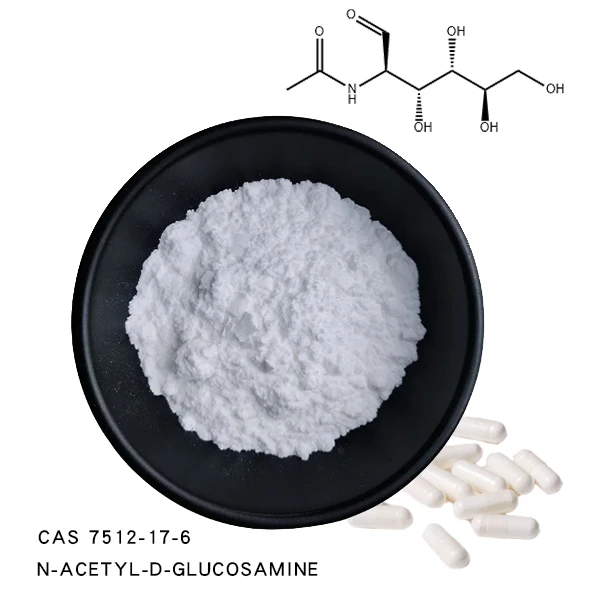
We also offer N Acetyl D Glucosamine Powder, which can contribute to the texture of some food products. It can act as a thickening or stabilizing agent in certain formulations.
Safety Considerations
While food additives can have many positive effects on the sensory properties of food, safety is always a concern. Regulatory agencies around the world, such as the FDA in the United States and the EFSA in Europe, have strict regulations in place to ensure the safety of food additives. Before an additive can be used in food, it must go through rigorous testing to prove its safety.
As a food additive supplier, we make sure that all our products meet the highest safety standards. We source our additives from reliable manufacturers and conduct our own quality control checks to ensure that our customers are getting safe and high - quality products.
Conclusion
Food additives play a vital role in enhancing the sensory properties of food. They can improve taste, smell, appearance, and texture, making food more appealing and enjoyable. Whether you're a food manufacturer looking to create a new product or a consumer interested in the science behind your food, understanding the impact of food additives is important.
If you're in the food industry and are interested in purchasing high - quality food additives, I invite you to reach out to us. We have a wide range of products to meet your needs, and our team of experts can provide you with technical support and advice. Let's work together to create delicious and appealing food products!
References
- "Food Additives: A Consumer's Guide" by the Center for Science in the Public Interest.
- "Food Chemistry" by H. - D. Belitz, W. Grosch, and P. Schieberle.
- Various publications from regulatory agencies such as the FDA and EFSA on food additive safety.