


Hey there! As a supplier of Resorcinol Powder, I've gotten a ton of questions about how it reacts with bases. So, I thought I'd sit down and write this blog to share what I know.
First off, let's talk a bit about Resorcinol Powder. It's a pretty important chemical compound with a wide range of uses. You'll find it in things like cosmetics, pharmaceuticals, and even in the production of certain plastics. It's got this white, crystalline appearance and a sweetish taste, but don't go around tasting it – it's toxic!
Now, when it comes to its reaction with bases, it's all about the chemistry. Resorcinol is a type of phenol. Phenols are acidic in nature because the oxygen - hydrogen bond in the hydroxyl group can break, releasing a hydrogen ion (H⁺). Bases, on the other hand, are substances that can accept these hydrogen ions.
When Resorcinol Powder reacts with a base, a neutralization reaction takes place. For example, if we take sodium hydroxide (NaOH), a common strong base, the reaction would look something like this:
C₆H₄(OH)₂ + 2NaOH → C₆H₄(ONa)₂ + 2H₂O
In this reaction, the hydrogen atoms in the hydroxyl groups of Resorcinol are replaced by sodium atoms from the sodium hydroxide. The result is a sodium salt of Resorcinol and water. This is a classic acid - base reaction, and it's pretty straightforward.
The reaction conditions can have a big impact on how this reaction plays out. Temperature is one of the key factors. Generally, increasing the temperature speeds up the reaction. This is because at higher temperatures, the molecules have more kinetic energy, which means they collide more frequently and with greater force. So, if you're looking to get the reaction done quickly, you might want to heat things up a bit. But be careful not to go too high, as Resorcinol can decompose at high temperatures.

Another factor is the concentration of the base. A more concentrated base will react faster with Resorcinol. This is because there are more base molecules available to react with the Resorcinol molecules. However, using a very concentrated base can also be dangerous, as it can lead to a very vigorous reaction that might be hard to control.
The type of base also matters. Strong bases like sodium hydroxide and potassium hydroxide react more readily with Resorcinol than weak bases. Weak bases, such as ammonia (NH₃), react more slowly because they don't dissociate completely in water to produce hydroxide ions (OH⁻).
Now, let's talk about some of the practical applications of this reaction. In the cosmetics industry, Resorcinol and its salts are used in hair dyes. The reaction with bases helps to form stable complexes that can penetrate the hair shaft and give long - lasting color. It's also used in skin - care products. The salts formed from the reaction with bases can have better solubility and stability, which makes them more suitable for use in creams and lotions.
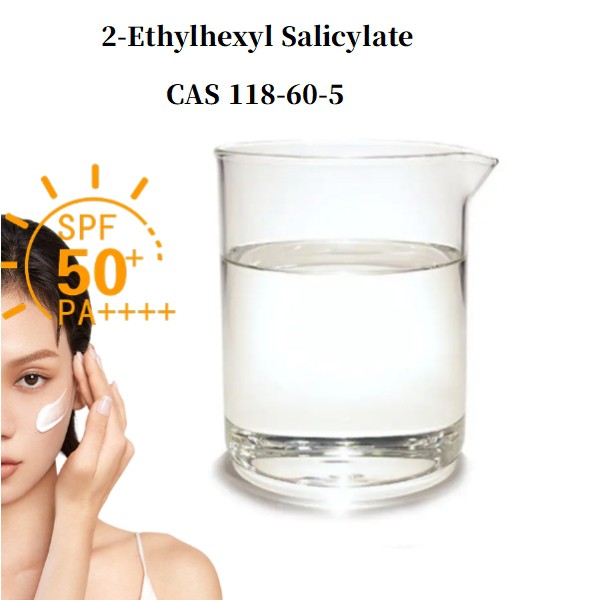
If you're in the cosmetics business, you might also be interested in some other ingredients we offer. Check out our Fucoidan Powder Bulk, 2 - Ethylhexyl Salicylate, and Hexapeptide - 9. These are all high - quality ingredients that can enhance the performance of your products.
In the pharmaceutical industry, Resorcinol salts are used in antiseptics and disinfectants. The reaction with bases helps to improve the solubility and stability of Resorcinol, making it more effective in killing bacteria and fungi.
When handling Resorcinol and its reactions with bases, safety is super important. Resorcinol is toxic and can cause skin and eye irritation. Bases, especially strong ones, can also be corrosive. So, always wear appropriate protective gear like gloves, goggles, and a lab coat. Make sure you're working in a well - ventilated area to avoid inhaling any fumes.
If you're thinking about using Resorcinol Powder in your products, I'd be more than happy to help. Whether you're a small - scale producer or a large - scale manufacturer, we can provide you with high - quality Resorcinol Powder at competitive prices. We have a strict quality control system in place to ensure that our products meet the highest standards.
If you have any questions about Resorcinol Powder, its reaction with bases, or any of our other products, don't hesitate to reach out. We're here to assist you with your procurement needs and help you make the best decisions for your business.
In conclusion, the reaction of Resorcinol Powder with bases is a fundamental chemical process with a wide range of applications. Understanding the reaction mechanism, the factors that affect it, and the safety precautions is crucial for anyone working with this compound. So, if you're in the market for Resorcinol Powder or have any questions about it, get in touch, and let's start a conversation.
References:
- "Organic Chemistry" by Paula Yurkanis Bruice
- "Handbook of Cosmetic Science and Technology" by Albert M. Kligman, Howard I. Maibach