


As a reputable supplier of Luteolin Powder, ensuring the highest quality of our product is of utmost importance. In this blog, I will delve into the various methods and processes we employ to analyze the quality of Luteolin Powder.
1. Source and Raw Material Inspection
The journey of high - quality Luteolin Powder begins with the selection of raw materials. We source our raw materials from reliable and sustainable suppliers. Before they enter our production facility, a thorough inspection is carried out. We check for the origin of the plants, ensuring they are grown in regions with favorable environmental conditions. For example, plants should be free from excessive pollution, pesticides, and heavy metals.
We also examine the physical characteristics of the raw materials. The color, texture, and moisture content are carefully observed. Any signs of mold, discoloration, or abnormal texture can indicate poor - quality raw materials, which are immediately rejected. This initial step is crucial as it sets the foundation for the production of high - purity Luteolin Powder.
2. Identification and Purity Analysis
High - Performance Liquid Chromatography (HPLC)
HPLC is one of the most widely used techniques in our quality analysis. It is a powerful tool for separating, identifying, and quantifying the components in Luteolin Powder. In our HPLC analysis, we use a high - quality stationary phase and a suitable mobile phase. The sample is injected into the HPLC system, and the components are separated based on their interactions with the stationary phase.
Luteolin has a characteristic retention time under specific HPLC conditions. By comparing the retention time of the sample peak with that of a pure Luteolin standard, we can confirm the presence of Luteolin in the powder. Moreover, the area under the peak is proportional to the concentration of Luteolin in the sample. Through this method, we can accurately determine the purity of our Luteolin Powder. We aim for a purity level of at least 98% to ensure the effectiveness of our product.
Nuclear Magnetic Resonance (NMR)
NMR is another important technique for structural identification. It provides detailed information about the molecular structure of Luteolin. By analyzing the NMR spectra, we can confirm the chemical bonds, functional groups, and the overall structure of Luteolin in the powder. This helps us to ensure that the product we supply is indeed Luteolin and not a mixture of other compounds with similar physical properties.
3. Impurity Analysis
Heavy Metal Detection
Heavy metals such as lead, mercury, cadmium, and arsenic can be harmful to human health even in trace amounts. Therefore, we conduct strict heavy metal detection in our Luteolin Powder. We use advanced atomic absorption spectroscopy (AAS) or inductively coupled plasma - mass spectrometry (ICP - MS) for this purpose.
These techniques can detect heavy metals at very low concentrations. For example, the limit of lead in our Luteolin Powder is set at less than 2 ppm (parts per million), and the limit of mercury is less than 1 ppm. By adhering to these strict standards, we ensure that our product is safe for use in various applications, including dietary supplements and pharmaceuticals.
Residual Solvent Analysis
During the extraction and purification process of Luteolin Powder, solvents are often used. Residual solvents can remain in the final product if not properly removed. We use gas chromatography (GC) to analyze the presence of residual solvents. The solvents we commonly test for include ethanol, acetone, and dichloromethane. The limits for residual solvents are set according to international standards to ensure the safety and quality of our product.
4. Microbiological Analysis
Microbial contamination can affect the stability and safety of Luteolin Powder. We conduct microbiological analysis to detect the presence of bacteria, fungi, and yeasts. The total aerobic microbial count, total yeast and mold count, and the presence of specific pathogens such as Escherichia coli, Salmonella, and Staphylococcus aureus are determined.
We use standard microbiological culture methods on selective media. The samples are incubated under specific conditions, and the colonies are counted after a certain period. Our Luteolin Powder must meet strict microbiological standards, with a low microbial load to ensure its stability and safety during storage and use.
5. Physical Property Analysis
Particle Size Analysis
The particle size of Luteolin Powder can affect its solubility, bioavailability, and processing properties. We use laser diffraction particle size analyzers to determine the particle size distribution of our powder. A narrow particle size distribution is preferred as it ensures uniform mixing and better performance in different applications.
Bulk Density and Tap Density
Bulk density and tap density are important physical properties that can affect the packaging, storage, and handling of Luteolin Powder. Bulk density is the mass of the powder per unit volume in its loose state, while tap density is the mass per unit volume after the powder has been tapped a certain number of times. These properties are measured using standardized methods, and they help us to ensure consistent product quality.
6. Stability Testing
To ensure the long - term quality of our Luteolin Powder, we conduct stability testing. The powder is stored under different conditions, including different temperatures, humidity levels, and light exposure. Samples are taken at regular intervals and analyzed for changes in purity, impurity levels, and physical properties.
This helps us to determine the shelf - life of our product and the appropriate storage conditions. For example, we may find that Luteolin Powder should be stored in a cool, dry place away from direct sunlight to maintain its quality over time.
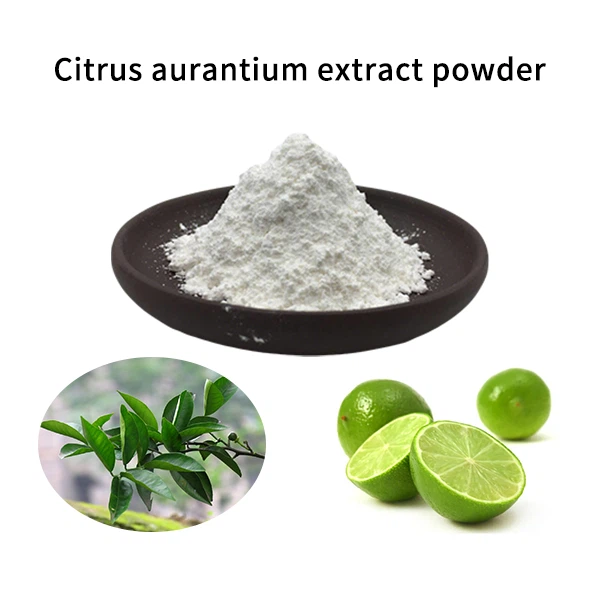
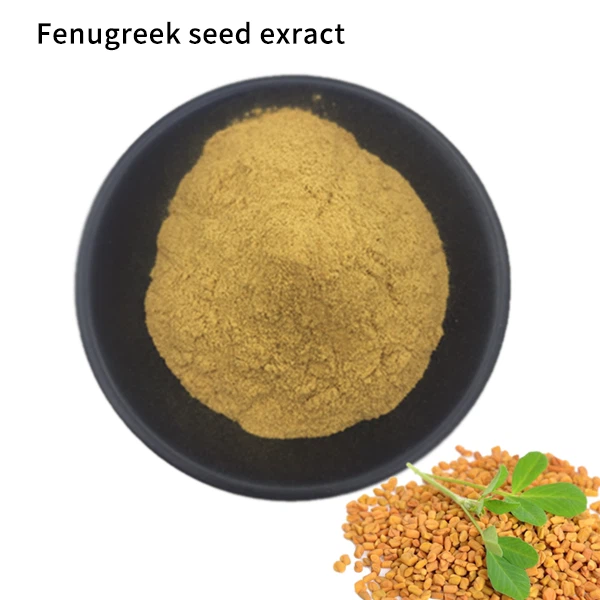
In addition to Luteolin Powder, we also offer other high - quality plant extracts such as Rhodiola Rosea Extract Powder, Citrus Aurantium Extract Powder, and Fenugreek Seed Exract. These products also undergo similar rigorous quality analysis processes to ensure their effectiveness and safety.
If you are interested in purchasing Luteolin Powder or any of our other plant extracts, please feel free to contact us for more information and to discuss your specific requirements. We are committed to providing you with the highest quality products and excellent customer service.
References
- Smith, J. D. (2018). Analytical Methods for Natural Products. Elsevier.
- European Pharmacopoeia (2020). Council of Europe.
- United States Pharmacopeia (2021). United States Pharmacopeial Convention.