


Azelaic acid powder has gained significant popularity in the cosmetic and pharmaceutical industries due to its numerous beneficial properties. One of the questions that often arises among our clients and potential customers is whether azelaic acid powder is hygroscopic. In this blog post, as a trusted azelaic acid powder supplier, we will delve into this topic and provide a comprehensive analysis based on scientific evidence.

What is Hygroscopy?
Before we discuss whether azelaic acid powder is hygroscopic, let's first understand the concept of hygroscopy. Hygroscopy is the ability of a substance to attract and hold water molecules from the surrounding environment. Substances that are hygroscopic can absorb moisture from the air, which may lead to changes in their physical and chemical properties, such as clumping, deliquescence (turning into a liquid), or degradation.
The Hygroscopic Nature of Azelaic Acid Powder
Azelaic acid, with the chemical formula C₉H₁₆O₄, is a dicarboxylic acid that occurs naturally in grains such as wheat, rye, and barley. In its powder form, azelaic acid has a relatively low hygroscopicity. This means that it does not readily absorb moisture from the air under normal conditions.
The low hygroscopicity of azelaic acid powder can be attributed to its molecular structure. The carboxyl groups (-COOH) at both ends of the molecule are relatively stable and do not have a strong affinity for water molecules. Additionally, the long hydrocarbon chain in the middle of the molecule provides a certain degree of hydrophobicity, which further reduces its ability to absorb moisture.
However, it is important to note that the hygroscopicity of azelaic acid powder can be influenced by several factors, including the surrounding humidity, temperature, and the presence of impurities. At high humidity levels, azelaic acid powder may absorb a small amount of moisture over time. This can lead to the formation of small clumps or an increase in the powder's moisture content.
Implications of Hygroscopicity for Azelaic Acid Powder
The low hygroscopicity of azelaic acid powder is generally beneficial for its storage, handling, and use. It means that the powder is relatively stable and less likely to undergo significant changes in its physical or chemical properties during normal storage conditions. This makes it easier to store and transport azelaic acid powder without the need for special humidity-controlled environments.
In the cosmetic and pharmaceutical industries, the low hygroscopicity of azelaic acid powder is also advantageous. It allows for the formulation of stable products with consistent quality. For example, in topical creams and gels, azelaic acid powder can be easily incorporated into the formulation without causing issues related to moisture absorption, such as changes in viscosity or the growth of microorganisms.
Storage and Handling Recommendations
Although azelaic acid powder has low hygroscopicity, proper storage and handling are still important to maintain its quality and stability. Here are some recommendations:
- Storage Conditions: Store azelaic acid powder in a cool, dry place away from direct sunlight. A temperature range of 20 - 25°C (68 - 77°F) and a relative humidity of below 60% are ideal.
- Sealed Containers: Keep the powder in tightly sealed containers to prevent moisture from entering. This will help to maintain its dryness and prevent clumping.
- Avoid Contamination: When handling azelaic acid powder, use clean and dry equipment to avoid introducing moisture or impurities.
Other Related Cosmetic Ingredients
In addition to azelaic acid powder, there are several other cosmetic ingredients that are commonly used in the industry. Here are some examples:
- Ascorbyl Tetraisopalmitate: This is a stable form of vitamin C that is widely used in skin care products for its antioxidant properties. It helps to protect the skin from free radical damage and can improve the appearance of fine lines and wrinkles.
- Ascorbyl Glucoside Powder: Another derivative of vitamin C, ascorbyl glucoside is a water-soluble and stable form of vitamin C. It is known for its ability to brighten the skin and reduce the appearance of dark spots.
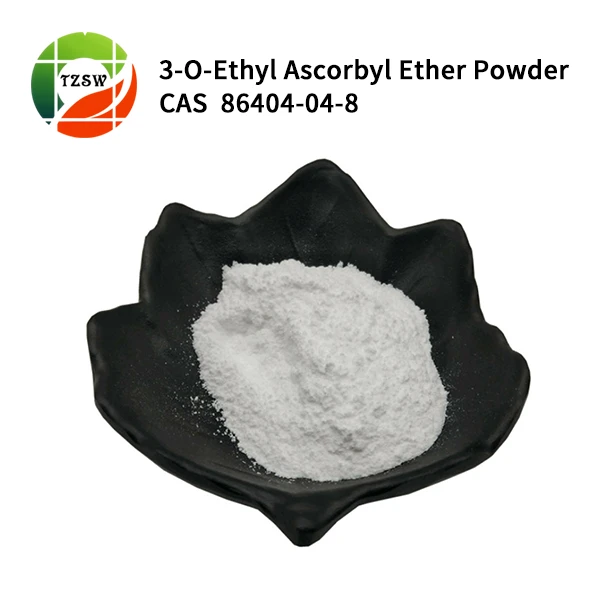
- 3-O-Ethyl Ascorbyl Ether: This is a stable and effective form of vitamin C that is easily absorbed by the skin. It has antioxidant, anti-inflammatory, and collagen-stimulating properties, making it a popular ingredient in anti-aging skin care products.
Conclusion
In conclusion, azelaic acid powder has a relatively low hygroscopicity, which makes it a stable and convenient ingredient for use in the cosmetic and pharmaceutical industries. However, it is still important to store and handle the powder properly to maintain its quality and stability. If you have any further questions about azelaic acid powder or other cosmetic ingredients, please do not hesitate to contact us. We are a leading supplier of high-quality azelaic acid powder and other cosmetic ingredients, and we would be happy to assist you with your procurement needs.
References
- Smith, J. D. (2018). Handbook of Cosmetic Science and Technology. John Wiley & Sons.
- Williams, M. L. (2019). Cosmetic Dermatology: Principles and Practice. Elsevier.