


Hey there! As a silymarin powder supplier, I often get asked if silymarin powder is effective for lowering cholesterol. It's a hot topic, and today, I'm gonna dive deep into this question and share what science has to say.
First off, let's talk about what silymarin is. Silymarin is a natural compound extracted from the milk thistle plant. Milk thistle has been used for centuries in traditional medicine for various health issues, and silymarin is one of its key active components. It's known for its antioxidant and anti - inflammatory properties, which are thought to play a role in many of its potential health benefits.
Now, onto cholesterol. Cholesterol is a waxy substance found in your blood. Your body needs it to build healthy cells, but having too much of it can lead to a buildup in your arteries, increasing the risk of heart disease. There are two main types of cholesterol: LDL (low - density lipoprotein), often called "bad" cholesterol, and HDL (high - density lipoprotein), known as "good" cholesterol. The goal is to keep your LDL levels down and your HDL levels up.
So, does silymarin powder help with this? Well, there have been some studies looking into this. A few animal studies have shown promising results. In these studies, animals were given silymarin, and researchers observed a decrease in LDL cholesterol levels and an increase in HDL cholesterol levels. The antioxidant properties of silymarin are thought to be at play here. Oxidized LDL cholesterol is more likely to stick to artery walls, and silymarin's ability to prevent oxidation may help reduce this risk.

But what about human studies? The evidence in humans is a bit more limited, but still interesting. Some small - scale clinical trials have reported that taking silymarin supplements led to a modest reduction in total cholesterol and LDL cholesterol levels. However, these studies were often short - term and involved a relatively small number of participants.
One of the proposed mechanisms by which silymarin might lower cholesterol is by influencing the liver. The liver plays a crucial role in cholesterol metabolism. Silymarin may help improve liver function, which in turn can affect how the body processes cholesterol. It might also have an impact on the enzymes involved in cholesterol synthesis, potentially reducing the amount of cholesterol the body produces.
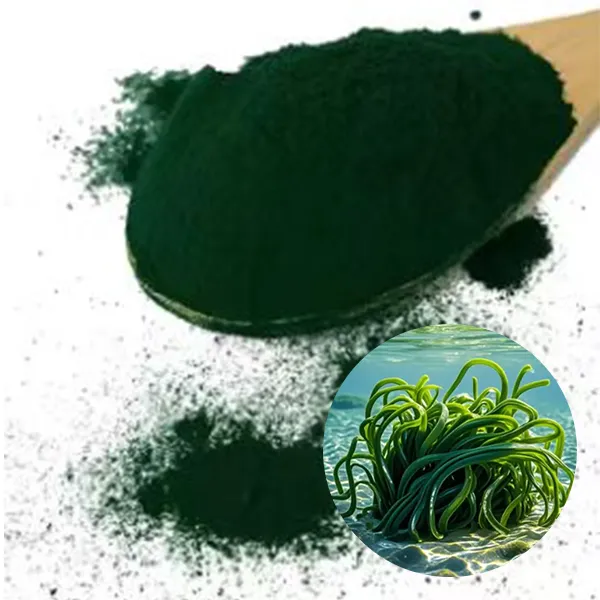
Another aspect to consider is that silymarin is often used in combination with other natural compounds. For example, it can be paired with Aphanizomenon Flos Aquae Powder, Green Tea Extract EGCG, or Coleus Forskohlii Extract. These combinations might have synergistic effects on cholesterol levels. Aphanizomenon Flos Aquae Powder is rich in nutrients and antioxidants, Green Tea Extract EGCG is well - known for its metabolism - boosting properties, and Coleus Forskohlii Extract has been studied for its potential to support healthy cardiovascular function.
However, it's important to note that silymarin powder is not a magic bullet. Lifestyle factors still play a huge role in cholesterol management. Eating a healthy diet, rich in fruits, vegetables, whole grains, and lean proteins, and low in saturated and trans fats, is essential. Regular exercise, such as brisk walking, cycling, or swimming, can also help raise HDL cholesterol and lower LDL cholesterol.
If you're considering using silymarin powder to lower your cholesterol, it's a good idea to talk to your doctor first. They can give you personalized advice based on your overall health, current medications, and cholesterol levels. Also, make sure you're getting high - quality silymarin powder. As a supplier, I can tell you that the quality of silymarin products can vary widely. Look for products that are standardized to a certain percentage of silymarin, usually around 80%. This ensures that you're getting a consistent and effective dose.
In terms of dosage, there's no one - size - fits - all answer. The dosage used in studies has varied, but typically, it ranges from 200 to 600 milligrams per day. It's best to start with a lower dose and see how your body responds.
So, to sum it up, while the evidence isn't conclusive, there's some indication that silymarin powder may have a role in lowering cholesterol. The animal studies are promising, and the limited human studies show some potential benefits. But more large - scale, long - term research is needed to fully understand its effectiveness.
If you're interested in trying silymarin powder for cholesterol management or other health benefits, I'd love to chat with you. Whether you're an individual looking for a high - quality supplement or a business interested in bulk purchasing, I'm here to help. Feel free to reach out and we can discuss your needs and how my silymarin powder can fit into your health or business plans.
References
- Some relevant animal studies on silymarin and cholesterol
- Small - scale clinical trials on silymarin in humans
- General literature on cholesterol metabolism and liver function