


Mustard is a condiment that has been a staple in kitchens around the world for centuries. Its vibrant color is one of its most distinctive features, and it owes this characteristic to a variety of color ingredients. As a color ingredients supplier, I am well - versed in the components that give mustard its unique hue. In this blog, we will explore the different color ingredients used in mustard and how they contribute to its appearance.
Natural Color Ingredients in Mustard
Turmeric
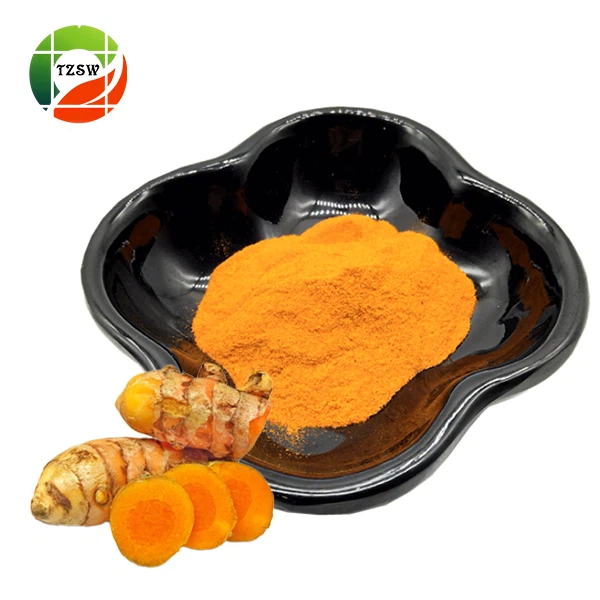
Turmeric is perhaps the most well - known color ingredient in mustard. It contains a compound called curcumin, which is responsible for its bright yellow color. Curcumin has not only been used for its coloring properties but also for its medicinal benefits. It is a powerful antioxidant and has anti - inflammatory properties.
In mustard production, turmeric is often used in the form of a powder. The Best Curcumin Powder is highly sought after by mustard manufacturers. It provides a consistent and intense yellow color that is characteristic of many traditional mustards. The curcumin in turmeric is soluble in fats and oils to some extent, which allows it to blend well with the other ingredients in mustard and give an even color distribution.
Annatto
Annatto is another natural colorant used in mustard. Derived from the seeds of the achiote tree, annatto contains carotenoids such as bixin and norbixin. These compounds can range in color from orange to red, depending on the processing method.
When used in mustard, annatto can give the condiment a warm, orange - yellow tint. It is often used in combination with turmeric to achieve a more complex and appealing color. Annatto is a natural alternative to some synthetic colorants, and its use is preferred by consumers who are looking for clean - label products.
Synthetic Color Ingredients in Mustard
While natural colorants are popular, synthetic color ingredients also have their place in the mustard industry.
Tartrazine
Tartrazine is a synthetic yellow azo dye. It is a very stable and bright colorant, which makes it suitable for use in mustard. Compared to natural colorants, tartrazine can provide a more intense and vivid yellow color. However, it has been a subject of some controversy. Some studies have suggested that there may be a link between tartrazine and hyperactivity in children, although regulatory agencies have set strict limits on its use.
Sunset Yellow
Sunset Yellow is another synthetic dye commonly used in mustard. It is an orange - red colorant that can be used in combination with other dyes to create unique color profiles. Like tartrazine, it is highly stable and provides a consistent color. But similar to other synthetic dyes, it also faces some concerns from consumers who prefer more natural - based products.
Gardenia - Based Color Ingredients
Gardenia Yellow
Gardenia yellow is a natural colorant extracted from the fruit of the gardenia plant. It contains iridoid glycosides and crocin - like compounds, which contribute to its bright yellow color. Gardenia yellow is a popular choice for mustard manufacturers because it is a natural alternative to synthetic yellow dyes.
It has good heat and light stability, which means that the color of the mustard will not fade easily during storage and processing. The Gardenia Green Pigment is also derived from the gardenia plant, and although it is more commonly associated with green - colored products, it can be used in unique mustard formulations to create interesting color combinations.
Monascus Color
Monascus color is a natural red pigment produced by the fermentation of rice with the fungus Monascus purpureus. It has been used in Asian cuisine for centuries, not only for its coloring properties but also for its health benefits.
In mustard, Monascus color can add a rich red or orange - red hue. It is a natural and safe alternative to some synthetic red dyes. Manufacturers looking to create mustards with a unique color or those targeting the Asian market often turn to Monascus Color. It is also known for its stability and can withstand the processing conditions involved in mustard production.
Factors Affecting Color in Mustard
The final color of mustard is not only determined by the color ingredients but also by several other factors.
pH Level
The pH level of the mustard can have a significant impact on the color. For example, curcumin in turmeric can change color depending on the pH. In acidic conditions, it tends to be more yellow - orange, while in alkaline conditions, it can turn more red - orange. Mustard manufacturers need to carefully control the pH during production to ensure a consistent color.
Processing Temperature
The temperature at which mustard is processed can also affect the color of the final product. High temperatures can cause some color ingredients, especially natural ones, to degrade. For instance, some of the carotenoids in annatto or the curcumin in turmeric may break down at very high temperatures, leading to a loss of color intensity or a change in hue.
Storage Conditions
The way mustard is stored can influence its color over time. Exposure to light, heat, and oxygen can all cause color fading. Mustard should be stored in a cool, dark place to maintain its color for a longer period.

Our Role as a Color Ingredients Supplier
As a color ingredients supplier, we play a crucial role in the mustard industry. We provide high - quality color ingredients that meet the strict regulatory standards. Our products are sourced from reliable suppliers and are tested for purity and quality.
We understand the importance of color consistency in mustard production. That's why we offer technical support to our customers, helping them choose the right color ingredients and optimize their production processes to achieve the desired color. Whether it's recommending the Best Curcumin Powder for a traditional yellow mustard or the Monascus Color for a more exotic red - hued mustard, we are here to assist.
Contact for Procurement
If you are a mustard manufacturer or someone involved in the food industry looking for high - quality color ingredients, we would love to hear from you. Our team of experts can provide detailed information about our products, assist with product selection, and answer any queries you may have. Feel free to reach out to us to start a procurement discussion.
References
- Bauernfeind, J. C. (Ed.). (1981). Carotenoids as colorants and vitamin A precursors: Technological and nutritional applications. Academic Press.
- Titz, B., & Birner - Groh, U. (2005). Natural colorants for the food industry. In Food additives (pp. 21 - 38). Springer, Berlin, Heidelberg.
- Francis, F. J. (Ed.). (1987). Food colorants: Chemistry and applications. Elsevier.