


As a supplier of Ferulic Acid Powder, I've witnessed firsthand the growing interest in this remarkable compound, not only in the realm of cosmetics but also in the paint industry. Ferulic acid, a naturally occurring phenolic compound, has been making waves for its potential to enhance the performance and longevity of paints. In this blog post, I'll delve into the effects of Ferulic Acid Powder on paints, exploring its benefits, applications, and the science behind its efficacy.
Antioxidant Properties
One of the primary effects of Ferulic Acid Powder on paints is its powerful antioxidant activity. Oxidation is a common problem in paints, leading to the degradation of pigments, binders, and other components over time. This can result in color fading, yellowing, and a loss of gloss, ultimately reducing the aesthetic appeal and durability of the paint.
Ferulic acid acts as a scavenger of free radicals, which are highly reactive molecules that cause oxidative damage. By neutralizing these free radicals, ferulic acid helps to prevent the oxidation of paint components, preserving their integrity and maintaining the paint's original appearance. This antioxidant protection can significantly extend the lifespan of paints, especially in outdoor applications where they are exposed to sunlight, heat, and environmental pollutants.
In addition to protecting against oxidation, ferulic acid can also enhance the stability of other antioxidants in the paint formulation. For example, it can work synergistically with Ascorbyl Tetraisopalmitate, a form of vitamin C, to provide even greater antioxidant protection. This combination can help to prevent the degradation of pigments and other additives, ensuring that the paint retains its color and performance over time.
UV Protection
Another important effect of Ferulic Acid Powder on paints is its ability to provide UV protection. Ultraviolet (UV) radiation from the sun is a major cause of paint degradation, as it can break down the chemical bonds in pigments and binders, leading to color fading and chalking.
Ferulic acid has been shown to absorb UV radiation in the range of 280-320 nm, which corresponds to the UVB and UVA regions. By absorbing this harmful radiation, ferulic acid can help to protect the paint from UV damage, reducing the rate of color fading and extending the lifespan of the coating.
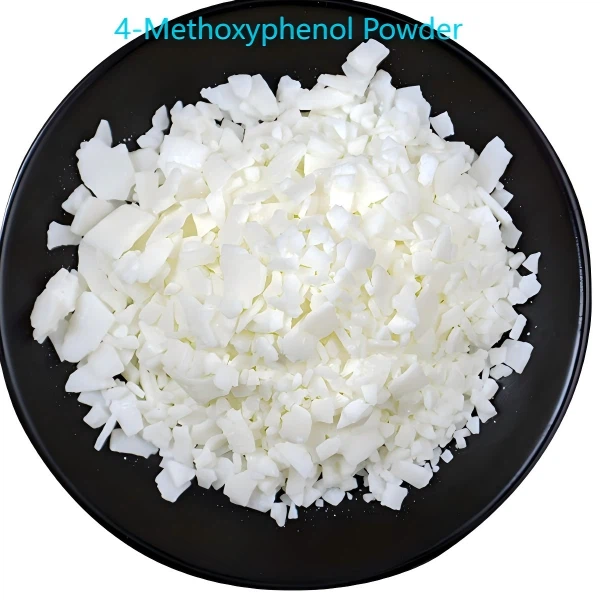
In addition to its direct UV absorption properties, ferulic acid can also enhance the UV protection of other UV absorbers in the paint formulation. For example, it can work in conjunction with 4-Methoxyphenol Powder, a common UV absorber, to provide broader spectrum UV protection. This combination can help to prevent the degradation of pigments and other additives, ensuring that the paint retains its color and performance in outdoor applications.
Adhesion and Cohesion
Ferulic Acid Powder can also have a positive effect on the adhesion and cohesion of paints. Adhesion refers to the ability of the paint to stick to the substrate, while cohesion refers to the ability of the paint to hold together as a film.
Ferulic acid can improve the adhesion of paints by forming chemical bonds with the substrate surface. This can help to create a stronger bond between the paint and the substrate, reducing the likelihood of peeling and flaking. In addition, ferulic acid can enhance the cohesion of paints by promoting the crosslinking of the binder molecules. This can help to create a more durable and cohesive paint film, improving its resistance to abrasion and wear.
Anti-Microbial Properties
In addition to its antioxidant, UV protection, and adhesion properties, Ferulic Acid Powder also has anti-microbial properties. Microorganisms such as bacteria and fungi can grow on the surface of paints, leading to discoloration, odor, and degradation of the coating.

Ferulic acid has been shown to have antibacterial and antifungal activity against a wide range of microorganisms. By inhibiting the growth of these microorganisms, ferulic acid can help to prevent the formation of biofilms on the paint surface, reducing the risk of discoloration and degradation. This can be particularly beneficial in applications where the paint is exposed to high humidity or moisture, such as in bathrooms, kitchens, and exterior surfaces.
Applications
The effects of Ferulic Acid Powder on paints make it a versatile ingredient with a wide range of applications. Some of the common applications of ferulic acid in paints include:
- Exterior Paints: Ferulic acid can be added to exterior paints to provide antioxidant, UV protection, and anti-microbial properties. This can help to extend the lifespan of the paint, reduce color fading, and prevent the growth of mold and mildew.
- Interior Paints: Ferulic acid can also be used in interior paints to enhance their durability and performance. It can help to prevent the yellowing of paints over time, especially in areas with high sunlight exposure.
- Wood Stains: Ferulic acid can be added to wood stains to provide UV protection and prevent the degradation of the wood. This can help to maintain the natural color and appearance of the wood, while also protecting it from weathering and decay.
- Automotive Paints: Ferulic acid can be used in automotive paints to enhance their resistance to UV radiation, oxidation, and scratching. This can help to maintain the shine and appearance of the paint, while also protecting the underlying metal from corrosion.
Conclusion
In conclusion, Ferulic Acid Powder has a number of beneficial effects on paints, including antioxidant, UV protection, adhesion, and anti-microbial properties. These effects can help to enhance the performance and longevity of paints, making them more durable, resistant to degradation, and aesthetically pleasing. As a supplier of Ferulic Acid Powder, I'm excited to see the growing interest in this compound in the paint industry, and I'm confident that it will continue to play an important role in the development of high-performance paints in the future.
If you're interested in learning more about the effects of Ferulic Acid Powder on paints or would like to discuss potential applications for your paint formulations, please don't hesitate to contact me. I'd be happy to provide you with more information and samples of our Ferulic Acid Powder.
References
- Rice-Evans, C. A., Miller, N. J., & Paganga, G. (1996). Structure-antioxidant activity relationships of flavonoids and phenolic acids. Free Radical Biology & Medicine, 20(7), 933-956.
- Kanski, J., Kyrtopoulos, S. A., & Goumas, G. (2002). Antioxidant activity of ferulic acid and its related compounds. Food Chemistry, 79(2), 109-113.
- Choi, Y. J., & Lee, H. J. (2002). Antioxidant activity of ferulic acid in a linoleic acid emulsion system. Journal of Agricultural and Food Chemistry, 50(17), 4884-4887.
- Packer, L., Witt, E. H., & Tritschler, H. J. (1999). Alpha-lipoic acid as a biological antioxidant. Free Radical Biology & Medicine, 27(9-10), 1195-1214.
- Ma, Y., & Bittner, D. (2009). Antioxidant activity of ferulic acid and its derivatives in the presence of iron ions. Journal of Agricultural and Food Chemistry, 57(22), 10773-10778.