






Hey there! As a food additive supplier, I've got a lot to say about the effects of food additives on the digestive system. You might be wondering, "What the heck are food additives, and how do they mess with my gut?" Well, stick around, and I'll break it down for you.
First things first, let's talk about what food additives actually are. Food additives are substances added to food to enhance its flavor, extend its shelf life, improve its texture, or give it a better appearance. They're everywhere, from the snacks we munch on to the meals we cook at home. Some common types of food additives include preservatives, flavor enhancers, coloring agents, and emulsifiers.

Now, onto the big question: what are the effects of these additives on the digestive system? Well, it's a bit of a mixed bag. Some food additives can have positive effects, while others can cause problems.
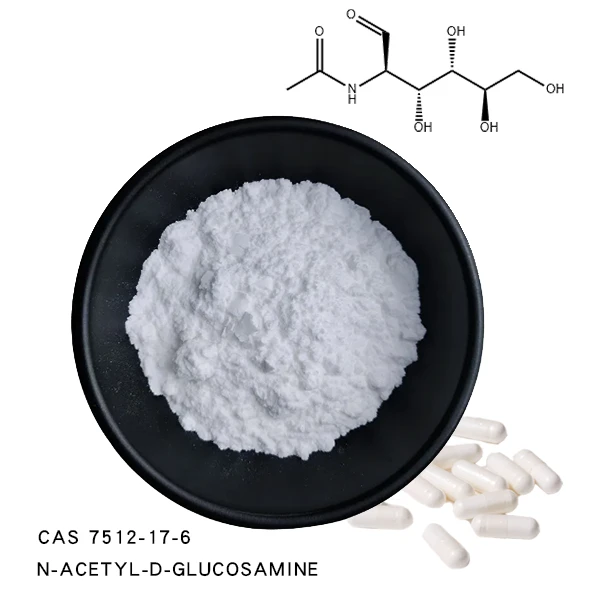
Let's start with the good news. Some food additives can actually benefit the digestive system. Take N Acetyl D Glucosamine Powder [/food-additive/n-acetyl-d-glucosamine-powder.html], for example. This additive is a natural compound found in the body and is often used in supplements and functional foods. It's known for its potential to support joint health, but it can also have positive effects on the digestive system. N Acetyl D Glucosamine helps maintain the integrity of the gut lining, which is important for proper digestion and nutrient absorption. It can also reduce inflammation in the gut, which may help alleviate symptoms of digestive disorders like irritable bowel syndrome (IBS).
Another additive with potential digestive benefits is Pure Capsaicin Powder [/food-additive/pure-capsaicin-powder.html]. Capsaicin is the compound that gives chili peppers their spicy kick. When consumed in moderate amounts, capsaicin can stimulate the production of digestive juices, which can improve digestion and relieve constipation. It may also have antibacterial properties, which can help keep the gut microbiome in balance.
Best Magnesium L Threonate Powder [/food-additive/best-magnesium-l-threonate-powder.html] is another additive that can be beneficial for the digestive system. Magnesium is an essential mineral that plays a role in many bodily functions, including digestion. It helps relax the muscles in the digestive tract, which can prevent constipation and promote regular bowel movements. Magnesium L Threonate is a highly bioavailable form of magnesium, meaning it's easily absorbed by the body and can have a more significant impact on digestive health.
However, not all food additives are created equal. Some additives can have negative effects on the digestive system, especially if consumed in large amounts or by individuals with sensitive stomachs. For example, artificial sweeteners like aspartame and sucralose have been linked to digestive issues such as bloating, gas, and diarrhea in some people. These sweeteners are often used in diet foods and beverages as a low-calorie alternative to sugar, but they can disrupt the balance of bacteria in the gut and cause digestive discomfort.
Preservatives are another type of additive that can sometimes cause problems. Sulfites, for example, are commonly used to preserve fruits, vegetables, and wine. While they're generally considered safe for most people, some individuals may be allergic to sulfites and experience symptoms such as hives, itching, and difficulty breathing. In addition, high levels of sulfites can irritate the lining of the digestive tract and cause nausea, vomiting, and diarrhea.
Coloring agents are also a concern when it comes to digestive health. Some artificial food dyes have been linked to hyperactivity in children, but they can also cause digestive problems in some individuals. These dyes are often used to make food look more appealing, but they can be difficult for the body to break down and may accumulate in the digestive tract, leading to inflammation and other issues.
So, what can you do to minimize the negative effects of food additives on your digestive system? First, it's important to read food labels carefully and avoid products that contain additives you're sensitive to. If you have a known allergy or intolerance to a particular additive, make sure to check the ingredient list before purchasing a food item. Second, try to eat a balanced diet that includes plenty of whole, unprocessed foods. These foods are naturally rich in nutrients and fiber, which can support digestive health and reduce the need for additives. Finally, if you're experiencing digestive problems, it's a good idea to talk to your doctor or a registered dietitian. They can help you identify any potential triggers and develop a personalized plan to improve your digestive health.
As a food additive supplier, I understand the importance of providing high-quality, safe additives that meet the needs of our customers. We work closely with our suppliers to ensure that our products are sourced from reputable manufacturers and meet strict quality standards. We also offer a wide range of natural and organic additives that are free from artificial colors, flavors, and preservatives, making them a healthier choice for consumers.
If you're a food manufacturer or a distributor looking for high-quality food additives, I'd love to hear from you. We offer a comprehensive range of additives, including N Acetyl D Glucosamine Powder, Pure Capsaicin Powder, and Best Magnesium L Threonate Powder, as well as many other products. Our team of experts can help you find the right additives for your specific needs and provide you with technical support and guidance throughout the product development process.
In conclusion, food additives can have both positive and negative effects on the digestive system. While some additives can support digestive health and improve the quality of food, others can cause problems, especially if consumed in large amounts or by individuals with sensitive stomachs. By being informed about the types of additives in the foods you eat and taking steps to minimize your exposure to potentially harmful additives, you can help keep your digestive system healthy and functioning properly. And if you're in the market for high-quality food additives, don't hesitate to reach out to us. We're here to help you create delicious, healthy food products that your customers will love.
References
- "The Role of N-Acetyl-D-Glucosamine in Gut Health" - Journal of Digestive Health
- "Capsaicin and Digestive Function" - International Journal of Food Sciences and Nutrition
- "Magnesium and Digestive Health" - Nutrition Reviews
- "The Impact of Artificial Sweeteners on the Gut Microbiome" - Gut Microbes
- "Sulfites and Digestive Health" - Journal of Allergy and Clinical Immunology
- "Artificial Food Dyes and Digestive Problems" - Pediatrics