



As a reputable supplier of Spermidine Powder, I am excited to share with you the intricate manufacturing processes involved in producing this remarkable substance. Spermidine, a naturally occurring polyamine, has gained significant attention in recent years due to its potential health benefits, including anti-aging properties, improved cognitive function, and enhanced cardiovascular health. In this blog post, I will take you through the step-by-step journey of how Spermidine Powder is manufactured, from sourcing the raw materials to the final packaging.
Sourcing the Raw Materials
The first step in the manufacturing process of Spermidine Powder is sourcing the raw materials. Spermidine can be found in various natural sources, including wheat germ, soybeans, mushrooms, and certain fruits and vegetables. However, for large-scale production, the most common source of Spermidine is wheat germ. Wheat germ is the nutrient-rich core of the wheat kernel and is a concentrated source of Spermidine.
When sourcing wheat germ, we ensure that it is of the highest quality and is free from contaminants such as pesticides, heavy metals, and other harmful substances. We work closely with trusted suppliers who follow strict quality control measures to ensure the purity and safety of the raw materials. Once the wheat germ is sourced, it is transported to our manufacturing facility for further processing.
Extraction of Spermidine
The next step in the manufacturing process is the extraction of Spermidine from the wheat germ. There are several methods available for extracting Spermidine, including solvent extraction, enzymatic extraction, and supercritical fluid extraction. At our facility, we use a combination of solvent extraction and enzymatic extraction methods to ensure the highest yield and purity of Spermidine.
In the solvent extraction method, the wheat germ is first ground into a fine powder and then mixed with a suitable solvent, such as ethanol or methanol. The mixture is then stirred for a specific period of time to allow the Spermidine to dissolve in the solvent. After that, the mixture is filtered to separate the liquid extract from the solid residue. The liquid extract is then concentrated by evaporating the solvent, leaving behind a concentrated Spermidine solution.
In the enzymatic extraction method, enzymes are used to break down the proteins and other complex molecules in the wheat germ, releasing the Spermidine. The wheat germ is first mixed with a buffer solution and then treated with specific enzymes, such as proteases and peptidases. The mixture is then incubated at a specific temperature and pH for a certain period of time to allow the enzymes to work. After that, the mixture is centrifuged to separate the liquid extract from the solid residue. The liquid extract is then further purified and concentrated to obtain a high-quality Spermidine solution.
Purification of Spermidine
Once the Spermidine is extracted from the wheat germ, it needs to be purified to remove any impurities and contaminants. Purification is an important step in the manufacturing process as it ensures the safety and efficacy of the final product. There are several methods available for purifying Spermidine, including chromatography, crystallization, and membrane filtration. At our facility, we use a combination of these methods to achieve the highest level of purity.
In the chromatography method, the Spermidine solution is passed through a column packed with a stationary phase, such as silica gel or resin. The different components in the solution interact with the stationary phase to different extents, causing them to separate as they pass through the column. The Spermidine is then collected in a separate fraction, which is further purified and concentrated.
In the crystallization method, the Spermidine solution is cooled to a specific temperature to allow the Spermidine to crystallize out of the solution. The crystals are then collected by filtration and washed with a suitable solvent to remove any impurities. The purified Spermidine crystals are then dried and ground into a fine powder.
In the membrane filtration method, the Spermidine solution is passed through a membrane with specific pore sizes. The membrane allows the Spermidine molecules to pass through while retaining larger molecules and impurities. The filtrate is then further concentrated and purified to obtain a high-quality Spermidine powder.
Quality Control
Quality control is an essential part of the manufacturing process to ensure the purity, potency, and safety of the Spermidine Powder. At our facility, we have a state-of-the-art quality control laboratory equipped with the latest analytical instruments and techniques. Our quality control team conducts a series of tests and analyses at every stage of the manufacturing process to ensure that the product meets the highest quality standards.
Some of the tests and analyses conducted in our quality control laboratory include:
- Purity analysis: The purity of the Spermidine Powder is determined by high-performance liquid chromatography (HPLC) or gas chromatography (GC). These techniques allow us to accurately measure the concentration of Spermidine in the powder and ensure that it meets the specified purity requirements.
- Potency analysis: The potency of the Spermidine Powder is determined by biological assays or in vitro studies. These tests measure the biological activity of the Spermidine and ensure that it has the desired therapeutic effects.
- Microbial analysis: The microbial contamination of the Spermidine Powder is determined by microbiological tests, such as total plate count, yeast and mold count, and coliform count. These tests ensure that the powder is free from harmful microorganisms and meets the safety requirements.
- Heavy metal analysis: The heavy metal content of the Spermidine Powder is determined by atomic absorption spectroscopy (AAS) or inductively coupled plasma mass spectrometry (ICP-MS). These techniques allow us to accurately measure the concentration of heavy metals, such as lead, mercury, arsenic, and cadmium, in the powder and ensure that it meets the safety limits.
Packaging and Storage
Once the Spermidine Powder has passed all the quality control tests, it is ready for packaging. We use high-quality packaging materials that are designed to protect the product from moisture, light, and air. The powder is typically packaged in sealed containers, such as plastic bags or glass bottles, and labeled with the product name, batch number, expiration date, and usage instructions.
Proper storage is also important to maintain the quality and stability of the Spermidine Powder. The powder should be stored in a cool, dry place away from direct sunlight and heat. It is recommended to store the powder at a temperature between 2-8°C to ensure its long-term stability.

Conclusion
In conclusion, the manufacturing process of Spermidine Powder is a complex and intricate process that requires strict quality control measures and the use of advanced technologies. At our facility, we are committed to producing high-quality Spermidine Powder that meets the highest standards of purity, potency, and safety. By following the steps outlined in this blog post, we are able to ensure that our customers receive a superior product that delivers the desired health benefits.
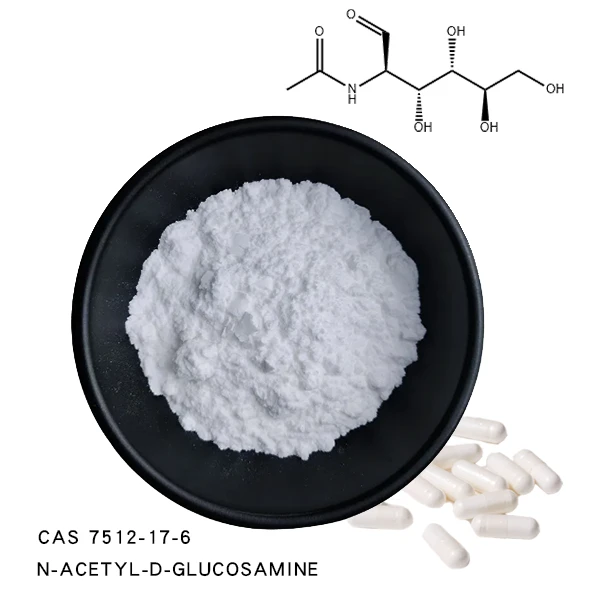
If you are interested in purchasing Spermidine Powder or other related products, such as Myo Inositol Bulk Powder, N Acetyl D Glucosamine Powder, or Vitamin B12 Powder, please feel free to contact us for more information. We would be happy to discuss your specific requirements and provide you with a competitive quote.
References
- Alcain, F. J., & Langley, P. E. (2002). Polyamines and their metabolism in health and disease. International Journal of Biochemistry & Cell Biology, 34(2), 131-147.
- Eisenberg, T., Knauer, H., Schauer, A., Büttner, S., Ruckenstuhl, C., Carmona-Gutierrez, D., ... & Madeo, F. (2009). Induction of autophagy by spermidine promotes longevity. Nature Cell Biology, 11(11), 1305-1314.
- Minois, N., & Robine, J.-M. (2014). The role of polyamines in aging and age-related diseases. Biochimica et Biophysica Acta (BBA) - General Subjects, 1840(1), 1339-1350.