


Ectoin is a natural amino acid derivative that has gained significant attention in the cosmetic industry for its remarkable protective and moisturizing properties. As a leading supplier of Ectoin powder, I often receive inquiries about its potential applications in various skincare products, including toners. In this blog post, I will explore the feasibility of using Ectoin powder in toners, discuss its benefits, and provide insights into how it can enhance the efficacy of these popular skincare essentials.
Understanding Ectoin and Its Properties
Ectoin is a compatible solute produced by certain microorganisms to protect themselves from extreme environmental conditions such as high salinity, heat, and UV radiation. It has a unique molecular structure that allows it to form a protective hydration shell around cells, preventing dehydration and damage caused by external stressors. This protective mechanism has made Ectoin a valuable ingredient in skincare products, as it can help to maintain the skin's moisture balance, reduce inflammation, and protect against oxidative stress.
In addition to its protective properties, Ectoin has also been shown to have anti-aging effects. It can stimulate the production of collagen and elastin, two proteins that are essential for maintaining the skin's elasticity and firmness. By promoting the synthesis of these proteins, Ectoin can help to reduce the appearance of fine lines and wrinkles, giving the skin a more youthful and radiant appearance.
Benefits of Using Ectoin Powder in Toners
Toners are an important step in any skincare routine, as they help to remove residual dirt, oil, and makeup from the skin, while also preparing it for the application of subsequent skincare products. By incorporating Ectoin powder into toners, manufacturers can enhance their efficacy and provide additional benefits to the skin. Here are some of the key benefits of using Ectoin powder in toners:
1. Hydration and Moisture Retention
One of the primary functions of a toner is to hydrate the skin and restore its natural moisture balance. Ectoin powder can help to enhance this function by forming a protective barrier on the skin's surface, preventing moisture loss and keeping the skin hydrated for longer periods of time. This can be particularly beneficial for individuals with dry or sensitive skin, as it can help to soothe and calm irritation, while also improving the skin's overall texture and appearance.
2. Protection Against Environmental Stressors
The skin is constantly exposed to a variety of environmental stressors, such as UV radiation, pollution, and free radicals, which can cause damage to the skin's cells and lead to premature aging. Ectoin powder has been shown to have antioxidant and photoprotective properties, which can help to protect the skin from these harmful effects. By incorporating Ectoin powder into toners, manufacturers can provide an additional layer of protection to the skin, helping to prevent damage and maintain its health and vitality.
3. Anti-Inflammatory Effects
Inflammation is a common skin condition that can cause redness, swelling, and irritation. Ectoin powder has been shown to have anti-inflammatory properties, which can help to reduce inflammation and soothe irritated skin. This can be particularly beneficial for individuals with acne-prone or sensitive skin, as it can help to calm breakouts and reduce the appearance of redness and inflammation.
4. Improved Skin Texture and Appearance
Ectoin powder can help to improve the skin's texture and appearance by promoting the production of collagen and elastin, two proteins that are essential for maintaining the skin's elasticity and firmness. By enhancing the synthesis of these proteins, Ectoin powder can help to reduce the appearance of fine lines and wrinkles, giving the skin a more youthful and radiant appearance. Additionally, Ectoin powder can help to smooth the skin's surface, making it look and feel softer and smoother.
How to Incorporate Ectoin Powder into Toners
Incorporating Ectoin powder into toners is a relatively straightforward process, but it requires careful consideration of the formulation and the desired properties of the final product. Here are some general guidelines on how to incorporate Ectoin powder into toners:
1. Choose the Right Ectoin Powder
When selecting an Ectoin powder for use in toners, it is important to choose a high-quality product that is pure and free from contaminants. Look for a product that has been tested for purity and potency, and that meets the standards of the cosmetic industry.
2. Determine the Optimal Concentration
The optimal concentration of Ectoin powder in toners will depend on a variety of factors, such as the desired properties of the final product, the skin type of the target audience, and the other ingredients in the formulation. In general, a concentration of 0.1% to 1% is recommended for most toners, but this may vary depending on the specific application.
3. Dissolve the Ectoin Powder
Ectoin powder is soluble in water, but it may require some agitation or heating to dissolve completely. To dissolve the Ectoin powder, add it to a small amount of water or other solvent, and stir or heat the mixture until the powder is completely dissolved. Once the Ectoin powder is dissolved, it can be added to the toner formulation.
4. Incorporate the Ectoin Solution into the Toner
Once the Ectoin powder is dissolved, it can be added to the toner formulation. It is important to mix the Ectoin solution thoroughly with the other ingredients in the toner to ensure that it is evenly distributed throughout the product.
5. Test the Final Product
Before launching a new toner product containing Ectoin powder, it is important to test the final product to ensure that it meets the desired quality and performance standards. This may involve conducting stability tests, sensory evaluations, and clinical trials to assess the safety and efficacy of the product.
Other Cosmetic Ingredients to Consider
In addition to Ectoin powder, there are several other cosmetic ingredients that can be used in toners to enhance their efficacy and provide additional benefits to the skin. Here are some examples:

1. L-Ergothioneine Powder
L-Ergothioneine is a naturally occurring amino acid that has antioxidant and anti-inflammatory properties. It can help to protect the skin from oxidative stress and damage caused by free radicals, while also reducing inflammation and promoting skin health.
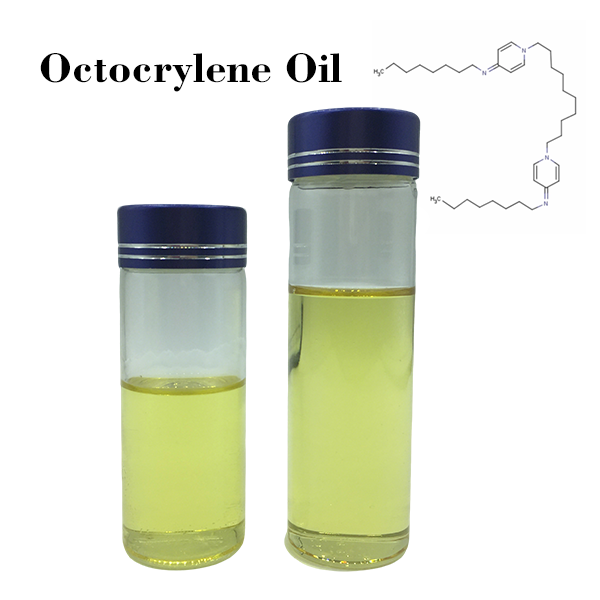
2. Octocrylene Oil
Octocrylene is a chemical sunscreen agent that can help to protect the skin from UV radiation. It is commonly used in sunscreen products, but it can also be incorporated into toners to provide additional protection against the sun's harmful rays.
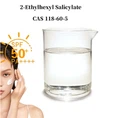
3. 2-Ethylhexyl Salicylate
2-Ethylhexyl Salicylate is another chemical sunscreen agent that can help to protect the skin from UV radiation. It is often used in combination with other sunscreen agents to provide broad-spectrum protection against UVA and UVB rays.
Conclusion
In conclusion, Ectoin powder can be a valuable ingredient in toners, as it can provide a range of benefits to the skin, including hydration, protection against environmental stressors, anti-inflammatory effects, and improved skin texture and appearance. By incorporating Ectoin powder into toners, manufacturers can enhance their efficacy and provide consumers with a high-quality skincare product that meets their needs and expectations.
If you are interested in learning more about Ectoin powder and its potential applications in toners, or if you are looking for a reliable supplier of Ectoin powder, please do not hesitate to contact us. We would be happy to discuss your specific requirements and provide you with more information about our products and services.
References
- Galinski, E., & Trüper, H. G. (1994). Ectoine and its derivatives: novel osmoprotective substances from halophilic microorganisms. Applied Microbiology and Biotechnology, 40(5), 643-648.
- Schröter, K., Kunte, H. J., & Galinski, E. A. (2005). Ectoine and hydroxyectoine: compatible solutes and stress protectants from halophilic microorganisms. Applied Microbiology and Biotechnology, 67(1), 1-8.
- Paul, N., & Snyder, N. A. (2003). Ectoine: a natural protectant for the skin. Skin Pharmacology and Physiology, 16(3), 147-155.
- Schröter, K., Kunte, H. J., & Galinski, E. A. (2006). Ectoine and hydroxyectoine: natural osmolytes with multiple stress-protective properties. Applied Microbiology and Biotechnology, 70(2), 137-144.