


Solubility is a fundamental property of any chemical substance, and hydroquinone powder is no exception. As a supplier of hydroquinone powder, understanding its solubility is crucial for both our research and development efforts and for providing accurate information to our customers. In this blog post, we will delve into the solubility of hydroquinone powder, exploring its behavior in different solvents, the factors that influence solubility, and the implications of solubility in various applications.
Solubility in Water
Hydroquinone, also known as benzene - 1,4 - diol, has a certain degree of solubility in water. At room temperature (around 25°C), approximately 7 g of hydroquinone can dissolve in 100 mL of water. This solubility is relatively moderate compared to some highly water - soluble compounds. The solubility of hydroquinone in water is due to the presence of hydroxyl (-OH) groups in its molecular structure. These hydroxyl groups can form hydrogen bonds with water molecules, which helps the hydroquinone molecules to disperse and dissolve in the aqueous medium.
As the temperature increases, the solubility of hydroquinone in water also increases. This is in line with the general principle that for most solid solutes, solubility rises with an increase in temperature. For example, at 80°C, the solubility of hydroquinone in water can reach up to about 55 g per 100 mL. This temperature - dependent solubility can be exploited in industrial processes where hydroquinone needs to be dissolved in water for various applications such as in the formulation of certain photographic developers.
Solubility in Organic Solvents
Hydroquinone also exhibits solubility in a variety of organic solvents. In ethanol, it has good solubility. At room temperature, hydroquinone can dissolve relatively easily in ethanol, and the solubility is significantly higher than in water. The non - polar part of the ethanol molecule can interact with the benzene ring of hydroquinone through van der Waals forces, while the hydroxyl group of ethanol can form hydrogen bonds with the hydroxyl groups of hydroquinone, facilitating dissolution.

In acetone, hydroquinone also shows appreciable solubility. Acetone is a polar aprotic solvent, and its ability to dissolve hydroquinone is based on dipole - dipole interactions and van der Waals forces between the acetone molecules and hydroquinone molecules. The solubility in acetone can be useful in applications where hydroquinone needs to be incorporated into non - aqueous formulations, such as in some specialized coatings or adhesives.
Factors Influencing Solubility
Several factors can influence the solubility of hydroquinone powder. Temperature, as mentioned earlier, has a significant impact. Higher temperatures generally provide more kinetic energy to the molecules, allowing them to overcome the intermolecular forces holding the hydroquinone crystals together and facilitating dissolution.
The pH of the solution can also affect the solubility of hydroquinone, especially in aqueous solutions. Hydroquinone is a weak acid, and in basic solutions, it can react with hydroxide ions to form its conjugate base, which is more soluble in water. This phenomenon can be used in the preparation of certain hydroquinone - containing solutions where enhanced solubility is required.
The presence of other solutes or additives in the solution can also alter the solubility of hydroquinone. For example, some salts in an aqueous solution can either increase or decrease the solubility of hydroquinone through salting - in or salting - out effects. Salting - in occurs when the presence of certain salts increases the solubility of the solute, while salting - out reduces it.
Solubility and Applications
The solubility of hydroquinone plays a vital role in its various applications. In the cosmetic industry, hydroquinone is often used as a skin - lightening agent. Its solubility in solvents such as Ceto Stearyl Alcohol is important for formulating creams and lotions. The ability to dissolve hydroquinone in these cosmetic ingredients ensures that it can be evenly distributed in the product, providing consistent skin - lightening effects.
In the pharmaceutical industry, hydroquinone is used in some topical medications. Its solubility in appropriate solvents helps in the preparation of stable and effective formulations. For example, its solubility in certain pharmaceutical - grade oils can be used to create ointments that can penetrate the skin effectively.
In the photographic industry, hydroquinone is a key component in developers. Its solubility in water at different temperatures allows for precise control of the developing process. By adjusting the temperature and concentration of the hydroquinone solution, photographers can achieve different levels of image development.
Solubility in Comparison with Related Compounds
When compared with other similar compounds, such as Azelaic Acid Powder, hydroquinone has different solubility profiles. Azelaic acid is a dicarboxylic acid, and its solubility in water is relatively low compared to hydroquinone at room temperature. However, azelaic acid may have different solubility characteristics in organic solvents, depending on the nature of the solvent and the intermolecular interactions involved.
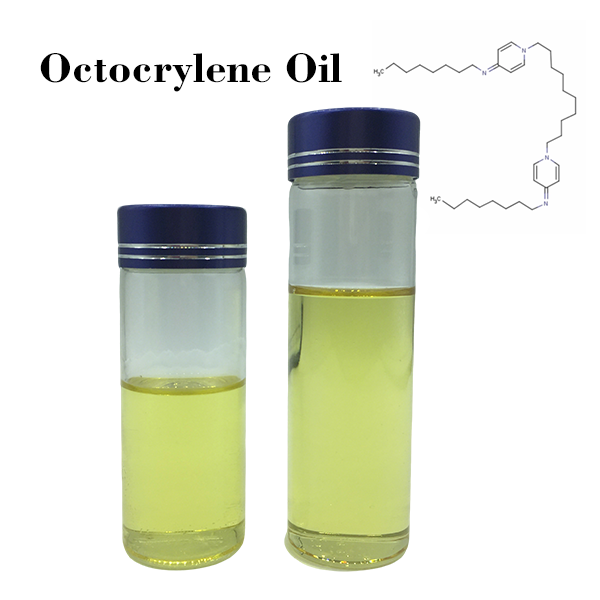
Another compound, Octocrylene Oil, is a common ingredient in sunscreens. It is a liquid and has a different solubility behavior compared to hydroquinone powder. Octocrylene is soluble in many organic solvents and is used in the formulation of sunscreen products to provide UV protection. The differences in solubility between these compounds are important for their respective applications and the way they are incorporated into different formulations.
Conclusion
In conclusion, the solubility of hydroquinone powder is a complex but important property that is influenced by temperature, pH, the nature of the solvent, and the presence of other substances. Understanding its solubility in different solvents and the factors affecting it is essential for optimizing its use in various industries, including cosmetics, pharmaceuticals, and photography.
As a supplier of high - quality hydroquinone powder, we are committed to providing our customers with detailed information about its properties, including solubility. Whether you are formulating a new cosmetic product, developing a pharmaceutical treatment, or working on a photographic project, our hydroquinone powder can meet your requirements. If you are interested in purchasing hydroquinone powder or have any questions about its solubility and applications, we encourage you to contact us for further discussions and to start a procurement negotiation.
References
- "Handbook of Chemistry and Physics", CRC Press.
- "Physical Chemistry", Peter Atkins and Julio de Paula.
- Research articles on hydroquinone solubility from scientific journals such as the Journal of Chemical Thermodynamics.