


| Product Name | Retinal |
| Common Name | Retinaldehyde |
| Synonyms | Vitamin A Aldehyde, Retinene‑1 |
| IUPAC Name | All‑Trans‑Retinal |
| CAS No. | 116‑31‑4 |
| Appearance | Deep yellow‑orange crystalline powder |
| Molecular Formula | C₂₀H₂₈O |
| Molecular Weight | 284.44 g/mol |
| Purity | ≥98.0% (All‑Trans‑Retinal) |
| Solubility | Insoluble in water; soluble in ethanol, DMSO, oils & organic solvents; poor aqueous solubility |
| Package | Cold‑pack / ice‑pack transportation, light‑proof required |
| Storage | Sealed, cool and dry place, ‑20 °C recommended for long‑term storage |
| Shelf-Life | 24 months under recommended original sealed storage condition |
Products Description
What Is Retinal / Retinaldehyde?
Retinal, also widely known as Retinaldehyde or All‑Trans‑Retinal (CAS 116‑31‑4), is an aldehyde form of vitamin A. It is a lipophilic cosmetic active raw material. As a key intermediate in vitamin A metabolic pathway, it serves as a critical skin‑relevant retinoid. Compared with retinol, it exhibits direct conversion pathway and is popular for skincare formulation development.
This cosmetic‑grade Retinaldehyde is supplied as orange‑yellow crystalline powder. It is sensitive to light, heat and oxygen, requiring strict cold, light‑proof and inert‑gas‑protected storage. It is mainly applied in serum, cream and anhydrous skincare systems.
These are popular retinoid‑series cosmetic active ingredients frequently compared with Retinal / Retinaldehyde.
| Product Name | CAS No. |
| Retinol (All‑Trans‑Retinol) | 68‑26‑8 |
| Hydroxypinacolone Retinoate (HPR, Granactive Retinoid) | 893412‑73‑2 |
| Retinyl Palmitate | 79‑81‑2 |
| Retinyl Acetate | 127‑47‑9 |
| Bakuchiol | 10309‑37‑2 |

Applications OF Retinal / Retinaldehyde
1.High‑activity anti‑aging cosmetic formulation development The primary usage scenario for Retinaldehyde. It is selected when brands pursue retinoid‑related performance while seeking a balance between activity and skin tolerance. Formulators often match it with antioxidants to mitigate oxidation degradation during shelf‑life.
2.Anhydrous & low‑water‑phase formula systems Oily‑based or anhydrous systems greatly slow down its degradation rate, which is the most suitable application scenario. Water‑rich aqueous formulas require strict process optimization and protective packaging otherwise activity loss will occur rapidly.
3.Compound retinoid blending system Frequently combined with Retinyl Palmitate, HPR or other retinoid derivatives. Formulators adjust total retinoid loading to achieve target formula performance and reduce potential skin irritation.
4.Cosmetic laboratory research & comparative screening Applied in lab‑scale trials: stability test, irritation evaluation, retinoid‑series raw material comparison, new‑formula prototype development.
Typical Finished‑product Examples (formulator reference only)
Facial anti‑aging serum (oil‑based / anhydrous serum)
Anti‑aging face cream & night cream
Facial oil, beauty concentrate oil
Retinoid‑complex ampoule essence
Anti‑aging facial concentrate for night‑time usage.


Benefits of Retinal / Retinaldehyde
1.Shorter metabolic conversion path: Fewer biochemical transformation steps in skin versus retinol.
2.Flexible formula‑building: Usable as single active or combined with other retinoids (Retinyl Palmitate, HPR etc.) to balance activity and irritation.
3.Effective at low dosage: Desired retinoid‑related formula potential can be achieved within 0.01%‑0.1% addition range.
4.Wide compatibility with oil‑based systems: Works well in anhydrous serums, facial oils and oil‑rich cream matrices.
5.Broad R&D adaptability: Ideal for developing premium‑grade night‑use anti‑aging cosmetic prototypes.
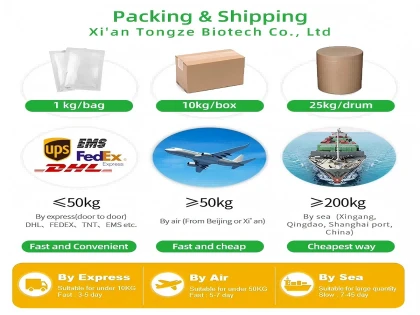
Packing &Shipping
Sample packing: 1g /5g /10g, brown glass vial + vacuum light‑proof aluminum foil bag, nitrogen filled.
Bulk packing: 100g, 500g, 1kg, 5kg, 25kg; nitrogen‑purged vacuum aluminium inner bag + export fibre drum.
Custom packaging available on request.
Special requirement: vacuum & nitrogen‑filled, full light‑proof design against oxidation.
Shipment suggestion: cold‑chain transportation preferred for long transit time.
Customer Feedback

CONTACT PAGE
We supply cosmetic‑grade Retinal / Retinaldehyde in sample & bulk sizes. Request quotation and supporting documents through.
1.Inquiry methods:
Email:alice@xaheshun.com
Whatspp:+8618509260106
Online instant messaging
2.Contact Information:
Name:Alice
Telephone :+8618509260106
Email:alice@xaheshun.com
FAQ
Q: What is the difference between Retinal and Retinol?
A: Retinal (Retinaldehyde) requires only one metabolic step to form retinoic acid in skin, while retinol needs two‑step conversion. Retinal is more oxidation‑sensitive and suitable for anhydrous cosmetic systems. Both are cosmetic‑grade retinoid raw materials.
Q: What is the typical purity of your Retinal / Retinaldehyde?
A: Our cosmetic‑grade Retinal is ≥98.0% HPLC, with all‑trans‑isomer ≥95%. Heavy‑metal indexes comply with cosmetic raw‑material safety limits. COA is provided for each batch.
Q: What is the solubility of Retinaldehyde?
A: Insoluble in water. Soluble in ethanol, DMSO and cosmetic oils. It performs best in oil‑based or anhydrous formula matrices.
Q: What is the recommended dosage for cosmetic formulation?
A: Common formulation reference dosage is 0.01%‑0.1%. Formulators must comply with regional cosmetic regulatory limits for final finished‑products.
Q: What documents can you provide for Retinal / Retinaldehyde?
A: We supply COA, SDS/MSDS, HPLC test report. Other customs‑related documents are available upon request.
Hot Tags: retinal / retinaldehyde cas 116‑31‑4, China retinal / retinaldehyde cas 116‑31‑4 manufacturers, suppliers, factory, Best Resveratrol Powder, Fucoidan Powder Bulk, Tranexamic Acid Powder


